Intercalated master’s degrees at LSTM
Medical, dental and veterinary students can take an intercalated year at LSTM to study global health, tropical medicine, humanitarian health, public health, One Health or infectious disease at master’s level.
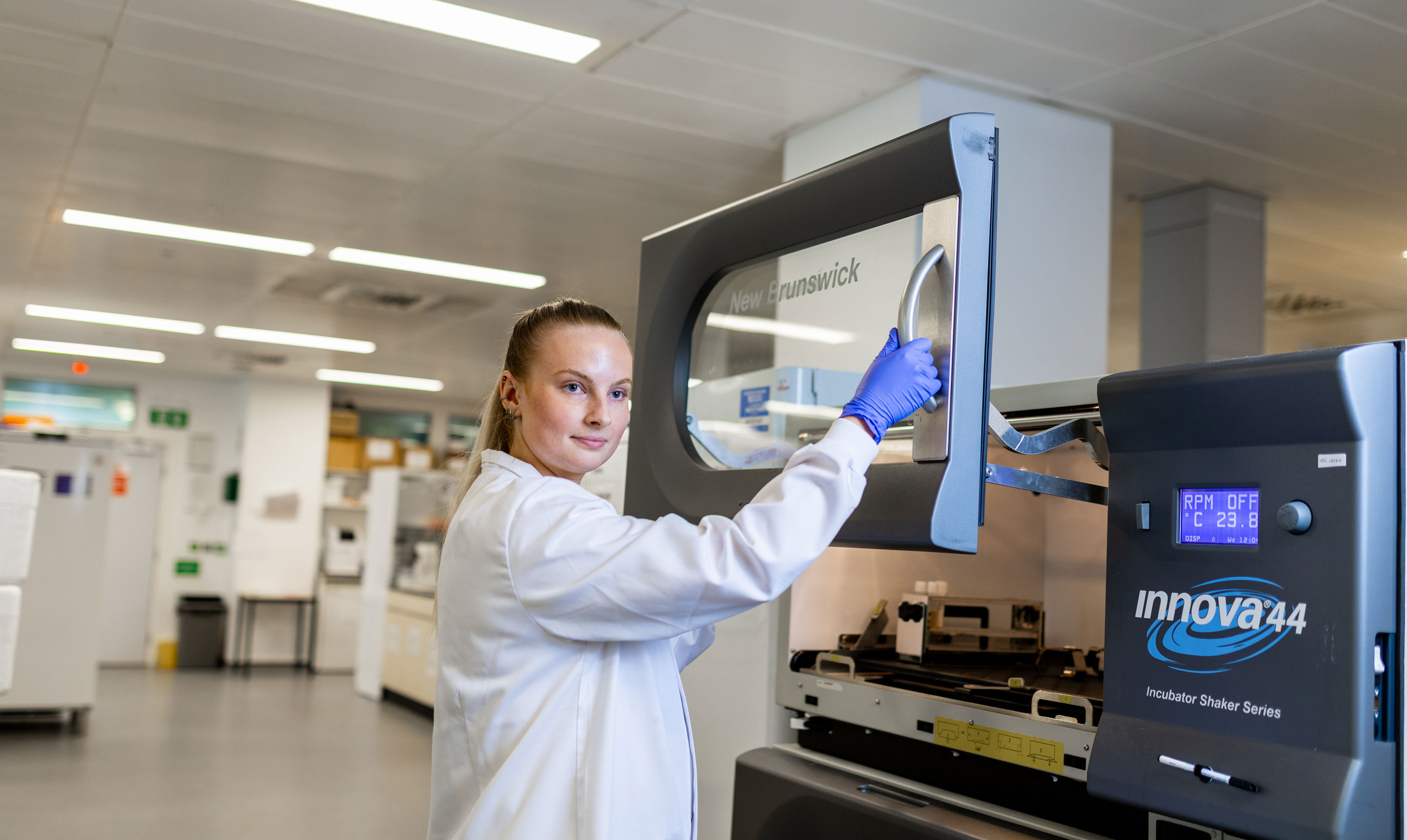
Study alongside people working on some of the world’s most pressing health challenges and develop knowledge and research skills that complement your medical, dental or veterinary degree.
20% tuition fee discount
Eligible self-funded UK students receive a 20% discount on tuition fees when intercalating at LSTM.
You do not need to apply separately. The discount is applied automatically if you meet the eligibility criteria.
Information about eligible Master’s course for 2027/28 entry is currently being revised.
Research shapes what you learn
Our teaching draws on research tackling some of the world’s most pressing health challenges. Learn from experts generating evidence, testing new approaches and working with partners to put research into practice.
See our research in action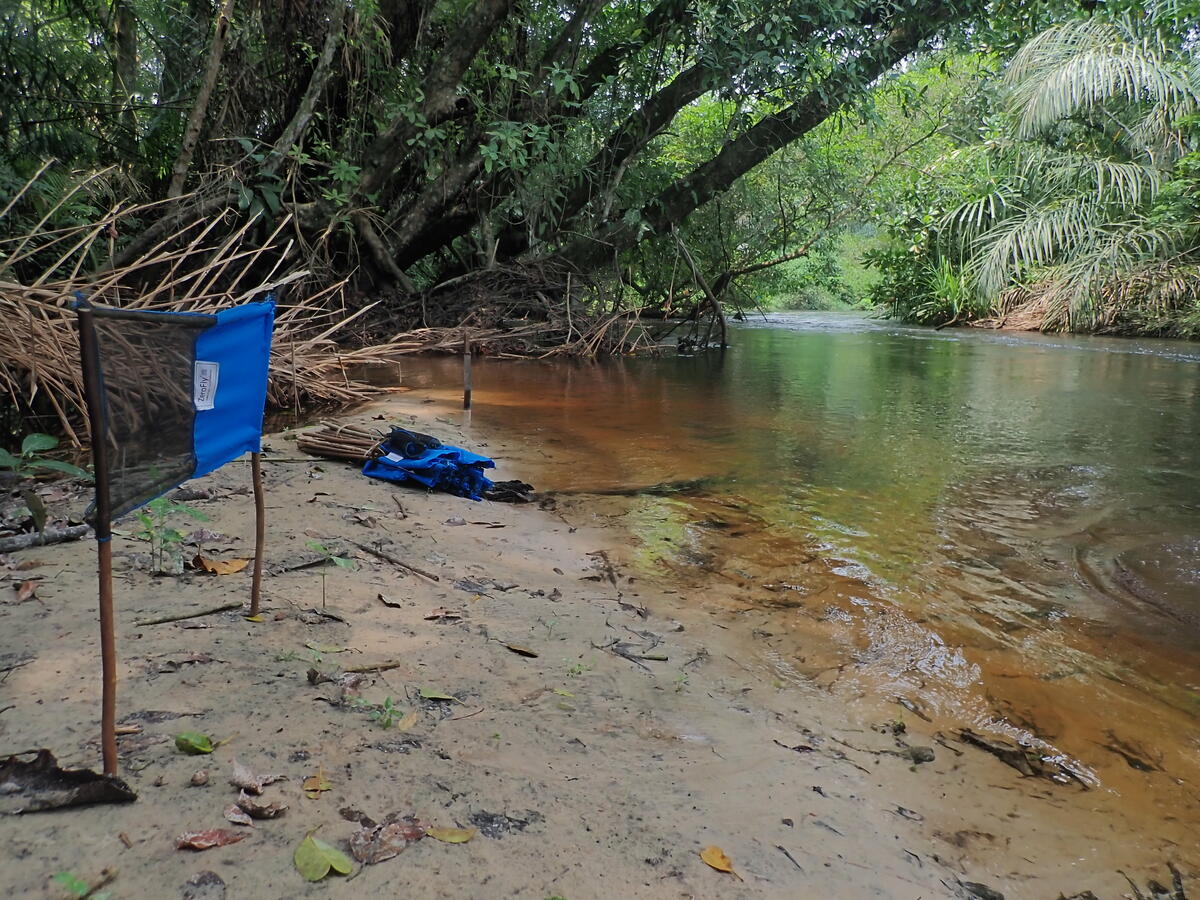
Tiny Targets
Tiny Targets is an innovative vector control initiative led by LSTM and partners to reduce the spread of sleeping sickness. The aim was to reduce tsetse fly densities below the threshold that allows transmission of the disease.
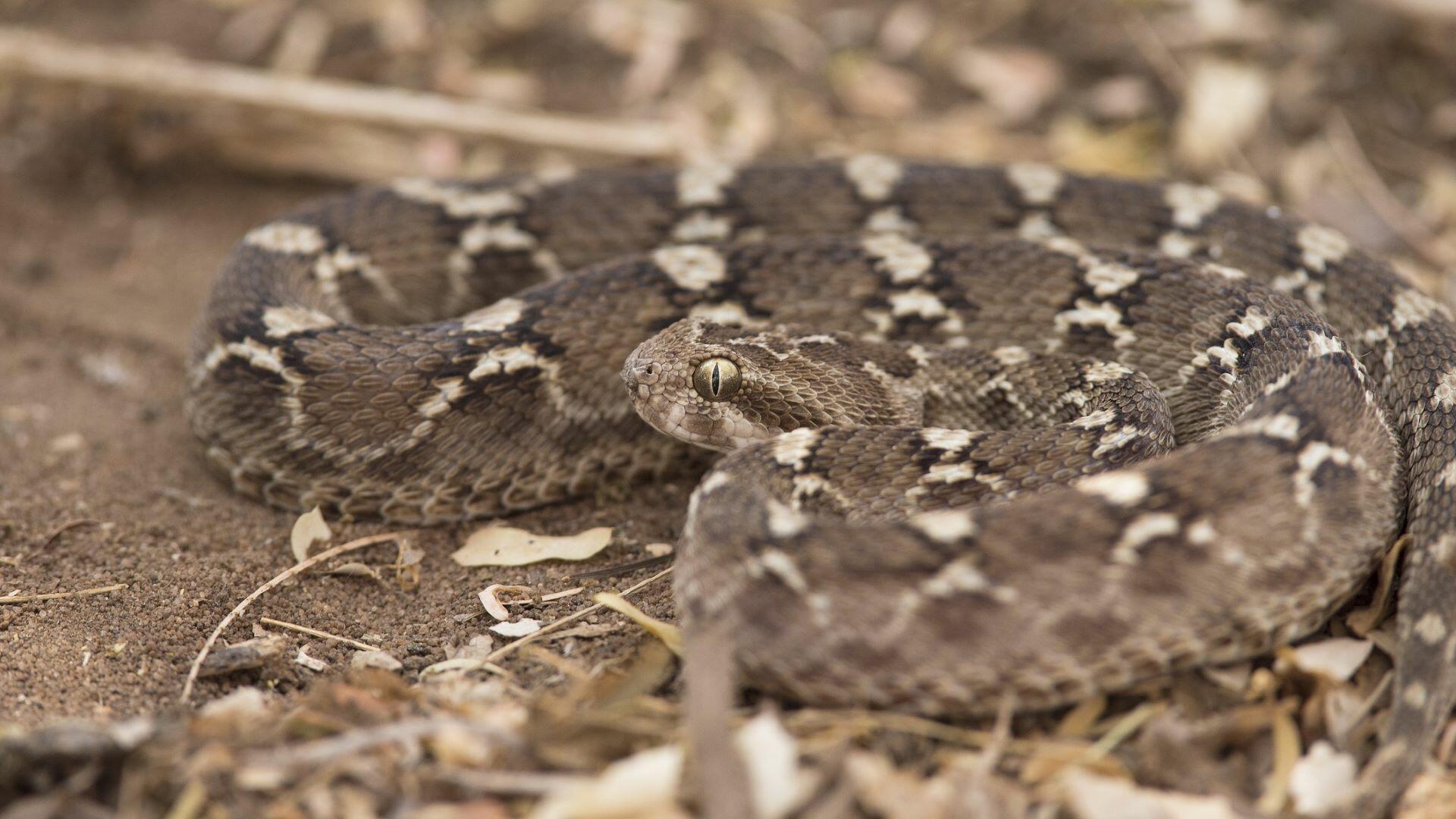
TOCSINS Drug Trial
TOCSINS (Trial of Oral Combination Therapies for Snakebite Envenoming) is a groundbreaking project aiming to develop and test oral snakebite treatments that can be easily administered in the field

Urban SHADE
Urban SHADE (Strengthening Health Access and Delivery for Extreme Weather) is a three-year research initiative funded by the UK’s National Institute for Health and Care Research (NIHR) and led by LSTM.
Frequently asked questions about intercalation
An intercalated master’s degree gives medical, dental and veterinary students the opportunity to take a year out from their main degree to study a specialist subject in greater depth.
At LSTM, you can choose from eligible master’s degrees covering areas including global health, tropical medicine, humanitarian health, public health, One Health and infectious disease.
Intercalation at LSTM is open to medical, dental and veterinary students who want to spend a year developing specialist knowledge through one of our eligible master’s courses.
You should check the entry requirements for your chosen course and your own institution’s intercalation requirements before applying.
Eligible courses include master’s degrees in humanitarian studies, One Health, public health, tropical disease biology, tropical and infectious diseases, and tropical health and infectious disease research.
The full list of eligible courses is shown above.
Eligible intercalating students receive a 20% tuition fee discount, which is applied automatically.
To qualify, you must:
- have completed at least three years of a medical, dental or veterinary degree
- be a self-funded UK student
- not already hold a qualification higher than a bachelor’s degree
- not be receiving an NHS bursary or another scholarship.
You do not need to make a separate application for the discount.
International students may be able to apply for an eligible master’s course, but the current intercalation discount is only available to eligible self-funded UK students.
International applicants should check the entry requirements and fees for their chosen course before applying.
Choose one of the eligible master’s courses listed on this page and follow the application guidance on the course page.
You should also check with your current university or medical, dental or veterinary school before applying. Intercalation will normally require approval from your home institution, which may have its own process and deadlines.
LSTM is a specialist institution dedicated to improving health in communities around the world. Our teaching is shaped by research and practice in areas including infectious disease, tropical medicine, public health, humanitarian health and One Health.
Intercalating at LSTM gives you the opportunity to step outside your main degree, explore one of these areas in depth and develop advanced research, analytical and critical thinking skills before returning to your medical, dental or veterinary studies.
Yes, subject to approval from your home institution. If you have completed at least three years of a medical, dental or veterinary degree, you may be able to intercalate into an eligible master’s degree at LSTM.
This allows you to gain a postgraduate qualification while exploring a specialist area before returning to your main degree.
You should check that your university or medical, dental or veterinary school approves master’s-level intercalation before applying.