MSc Humanitarian Action
Understand humanitarian crises and develop the knowledge and practical skills to respond.
Register your interest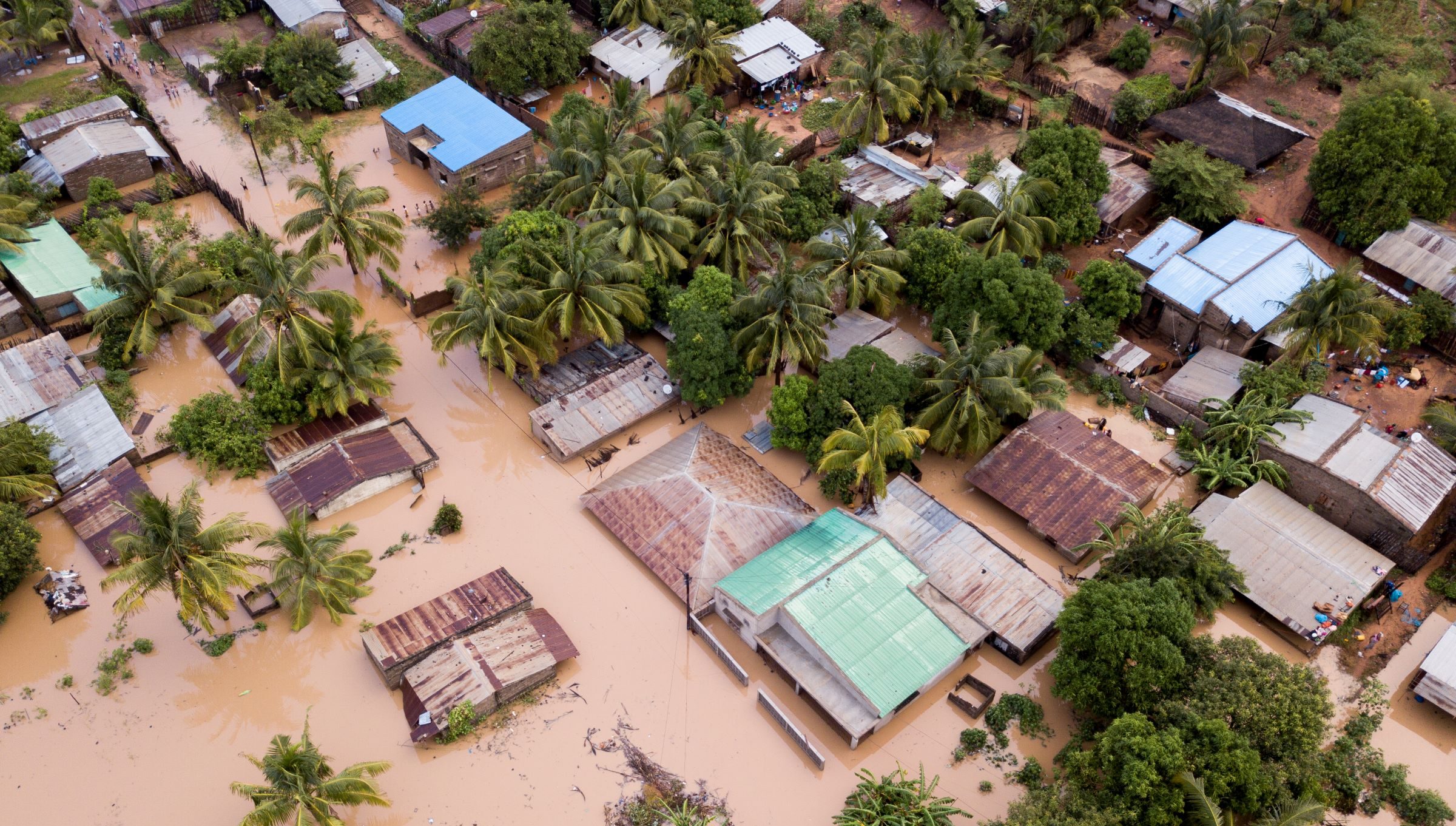
- Director of studies
- Imri Schattner-Ornan
- Course type
- Master’s course
- Location
- Liverpool, UK
- Start date
- September 2027
- Mode of study
- Full time, on campus
- Duration
- One year
- Home fee
- TBC
- International fee
- TBC
Overview
Humanitarian crises are shaped by conflict, climate change, disease outbreaks and displacement, often with devastating consequences for communities. Our MSc Humanitarian Action brings together humanitarian policy and practice with LSTM’s expertise in global health, helping you understand why crises happen, how they affect people’s lives and how organisations work to prevent and respond to them.
Our MSc Humanitarian Action combines critical understanding with practical skills to address complex humanitarian challenges. You’ll investigate the causes and consequences of crises, the politics of humanitarian assistance, and the relationships between governments, international organisations, armed groups, civil society and affected communities. You’ll also develop skills in humanitarian project planning, risk assessment and applied research, learning how to turn evidence into practical recommendations.
The MSc will help you obtain analytical, research and practical skills to assess complex situations, evaluate evidence and plan humanitarian projects. Through an interdisciplinary approach, you’ll consider how history, politics, culture, health and social inequalities influence humanitarian action.
Whether you’re beginning your career or building on professional experience, this programme will help you develop a deeper understanding of humanitarian challenges and the skills to contribute to informed, ethical responses.
Who is this course for?
Our MSc Humanitarian Action welcomes students from a wide range of academic and professional backgrounds.
You might be a recent graduate looking to begin a career in humanitarian action, international development or crisis management, an experienced professional seeking to develop your expertise, or someone interested in further research.
The programme is suitable for people with backgrounds in health and medicine, social and political sciences, law, history, languages, media and communication, and other disciplines.
It is also relevant to professionals working in areas such as policy, logistics, education, public health, emergency planning and civil society.
You don’t need previous humanitarian field experience to be considered for the programme. Our interdisciplinary approach brings together different perspectives and experiences, creating opportunities to learn from others and challenge your assumptions.
“LSTM answers that call with education and research to save lives and alleviate suffering among the most vulnerable and hardest to reach, and I am honoured and highly committed to serve as its inaugural Chancellor.”
Elhadj As Sy, LSTM Chancellor and past President of the International Federation of Red Cross and Red Crescent Societies
Why study Humanitarian Action at LSTM?


What will I learn?
Throughout the programme, you’ll study key issues shaping humanitarian action, including:
- Humanitarian systems and institutions: How the global humanitarian system developed, how it operates today and the challenges it faces.
- Conflict and complex emergencies: The causes and consequences of conflict, and the difficulties of responding in unstable and high-risk environments.
- Humanitarian policy and practice: How humanitarian organisations and other actors plan, coordinate and deliver responses to crises.
- Climate crisis and health: The relationships between environmental pressures, health risks and the social conditions that affect people’s wellbeing.
- Humanitarian project planning: How to develop project proposals, consider risks and use planning tools to support humanitarian action.
- Research and evidence: How to investigate complex humanitarian problems and apply research findings to real-world challenges.
You’ll also have opportunities to develop your own specialist interests through research.
Modules
Core modules:
- Context and developments in humanitarianism (core)
- Research methods in public health (core)
Core modules:
- Complex humanitarian emergencies and responses (core)
- The practice of humanitarian relief (core)
Optional module from:
- Global climate change and health
- Sexual, reproductive, maternal, newborn and adolescent health
- Applied statistics for health research
- Scientific and professional skills – Consultancy project
- Student research project
The first term introduces you to fundamental aspects of the programme with modules on the key issues in humanitarianism and research methods. The second term then focuses on conflict and the practice of humanitarian action, and gives you scope to decide an additional optional module from this and other LSTM programmes. Across both terms you’ll have the skills module, where you’ll have the option of conducting a real-world consultancy project for an external organisation in the humanitarian sector. The final term focuses on your student research project.
By the end of the programme, you should be better equipped to:
- Analyse complex crises and assess risks in challenging environments.
- Understand the current challenges and reforms within the contemporary humanitarian system.
- Apply research skills to practical and professional problems.
- Develop and conduct a major research project based on your interests.
- Present evidence and communicate recommendations clearly to different audiences.
- Use qualitative and quantitative research methods.
An MSc in Humanitarian Action can support career development across the humanitarian sector and related fields.
Depending on your interests and professional background, you could pursue opportunities in humanitarian and non-governmental organisations, government, public health, emergency planning, policy, civil society or international development.
The knowledge and skills developed through the programme are relevant to research, consultancy and roles within international organisations.
If you’re interested in an academic or research career, the MSc can provide a foundation for further postgraduate study, including PhD research.
Teaching and Learning
Our teaching is based on a variety of teaching methodologies, including classical lectures, class seminars, tutorial sessions with students individually or in groups, simulation activities involving our immersive suite, games-based learning and working in professional settings on consultancy projects. Our small classes, the availability of lecturers and the wider integration of the School’s research community provide a unique opportunity for you to focus on critical thinking and practical skills through challenging and fun learning.
Consultancy Project
As part of the Scientific and Professional Skills module you may want to take part in one of LSTM’s consultancy projects. These applied, team-based research projects build professional skills while tackling the health challenges you learn about on your course and you will learn and be assessed on project and team management skills.
Previous clients have included UNHCR, UNICEF, Action Against Hunger, Save The Children, ACTED, Doctors Without Borders, International Medical Corps and Plan International.
Read more about one of our recent consultancy projects.
Academic Expertise
As an institution, LSTM is deeply motivated and engaged in humanitarian action and research. To quote LSTM’s Chancellor, and past International Federation of Red Cross and Red Crescent Societies’ President, Elhadj As Sy: “LSTM answers that call with education and research to save lives and alleviate suffering among the most vulnerable and hardest to reach, and I am honoured and highly committed to serve as its inaugural Chancellor.”
A variety of LSTM’s researchers teach on our programme. These include experts with broad humanitarian field experience, or with specific technical skills (for example in Sexual and Reproductive Health, Mental Health, or Communicable/Non-Communicable Diseases). Our lecturers also include academics researching humanitarian situations and the humanitarian system.
Geneva Study Trip
You may wish to take part in a study trip to Geneva. The trip is optional and must be self-funded, and you will have the opportunity to visit and engage with organisations such as UNICEF, UNHCR, MSF, The Global Fund and the WHO. Read more about one student’s experience in Geneva.
Student Research Project
Student research projects are determined by your personal interests. Projects are either independently developed by students with academic support, or available from a list of research projects being conducted by our research staff. We offer a wide variety of types of research projects, including fieldwork, lab or deskwork, in the UK or internationally.
In previous years students have undertaken fieldwork in Calais, France (on refugee organisations); Kenya (on neglected tropical diseases); Pakistan (on vulnerable, stigmatised communities); Sierra Leone (on food security in informal settlements); and northern England (on ethnic minorities’ access to healthcare). Others have completed a focused piece of research work for a humanitarian organisation. If you wish to combine your research project with a placement then LSTM can support this with networking and advice, identifying possibilities and helping you contact organisations and develop ideas.
Entry requirements


Fees and funding
Home fee (September 2027)
TBC
International fee (September 2027)
TBC

Financial support for UK students
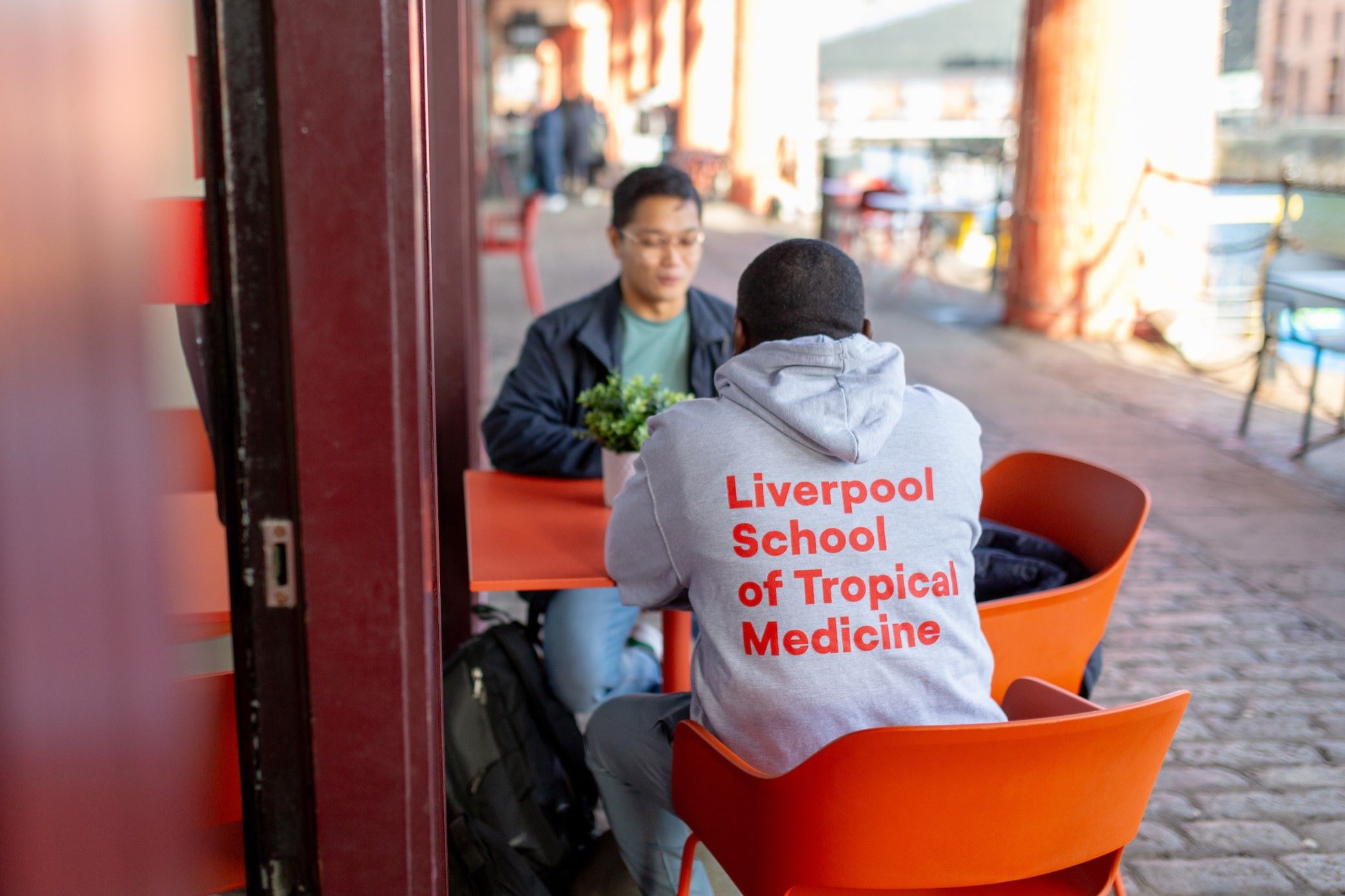
We have scholarships, bursaries, discounts and loans available, established through generous donations from alumni, staff and friends and funding from within Liverpool School of Tropical Medicine.
Financial support for international students
We offer various scholarships for international students, particularly those from low- and middle-income countries. These include full or partial funding through programs like the LSTM Global Health Impact Scholarship and the LSTM Humanitarian Scholarship.

External funding
Scholarships, fellowships and grants are available from a range of funders and organisations. Any scholarship, studentship, fellowship or grant can be used as an alternative to, or part-funding of, an LSTM scholarship.
How to apply
You can apply for a course at any time throughout the year using our online application portal, MyLSTM. You will need to register for an account the first time you use it, or if you’ve already created an account, you can pick up where you left off by logging in directly to MyLSTM.
By registering for a MyLSTM account, you will be able to:
- Apply for courses at LSTM.
- Upload supporting documentation.
- Save your draft application.
- Accept an offer to study.
- Keep your account information up-to-date.
If you can’t access our online application form, please get in touch. Paper application forms are available on request.
Categories section – full title
Get study updates
Sign up for the latest on scholarships, application deadlines, events and new course launches. We’ll keep it relevant, and you can unsubscribe at any time.