Human Challenge Facility
Designed to speed up effective solutions for infectious diseases among the world’s most vulnerable populations, our Human Challenge Facility strengthens the UK’s capacity to respond to future outbreaks.
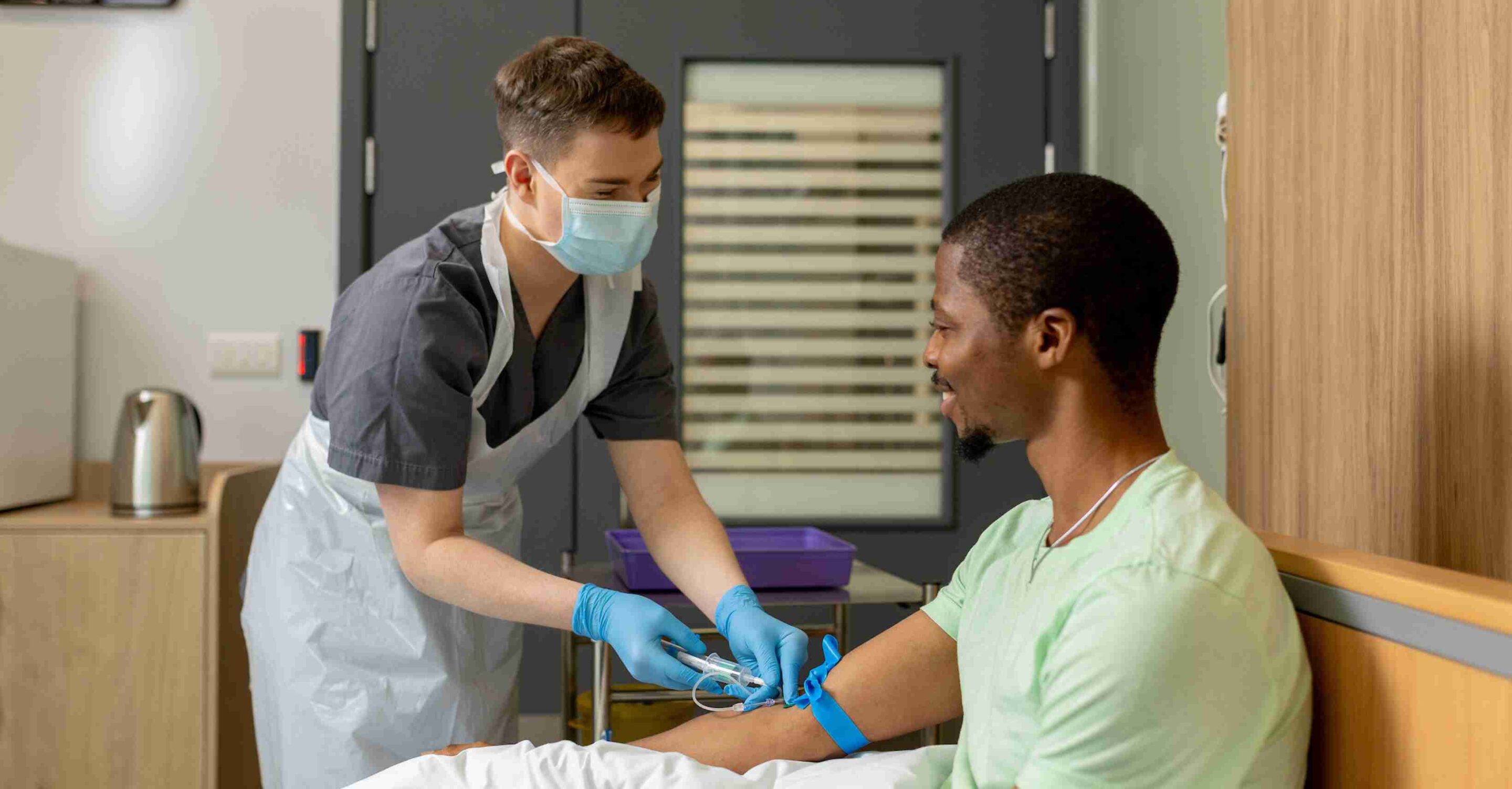
Our Human Challenge Facility provides 12-bed in-patient isolation unit that helps us test things like vaccines, diagnostic tests and treatments for infectious diseases more quickly and safely.
We run high quality controlled human infection studies, where volunteers are carefully monitored in a clinical research setting. Human infection models like this can provide a unique window into how vaccines and new treatments work in the body. They can reduce the timeline for their development and approval by several years.
What the facility includes
The facility has been designed to support world leading infection research, including studies involving high consequence infectious diseases. It includes:
- 12 in-patient isolation beds with HEPA filtration negative air pressure
- 18 outpatient spaces
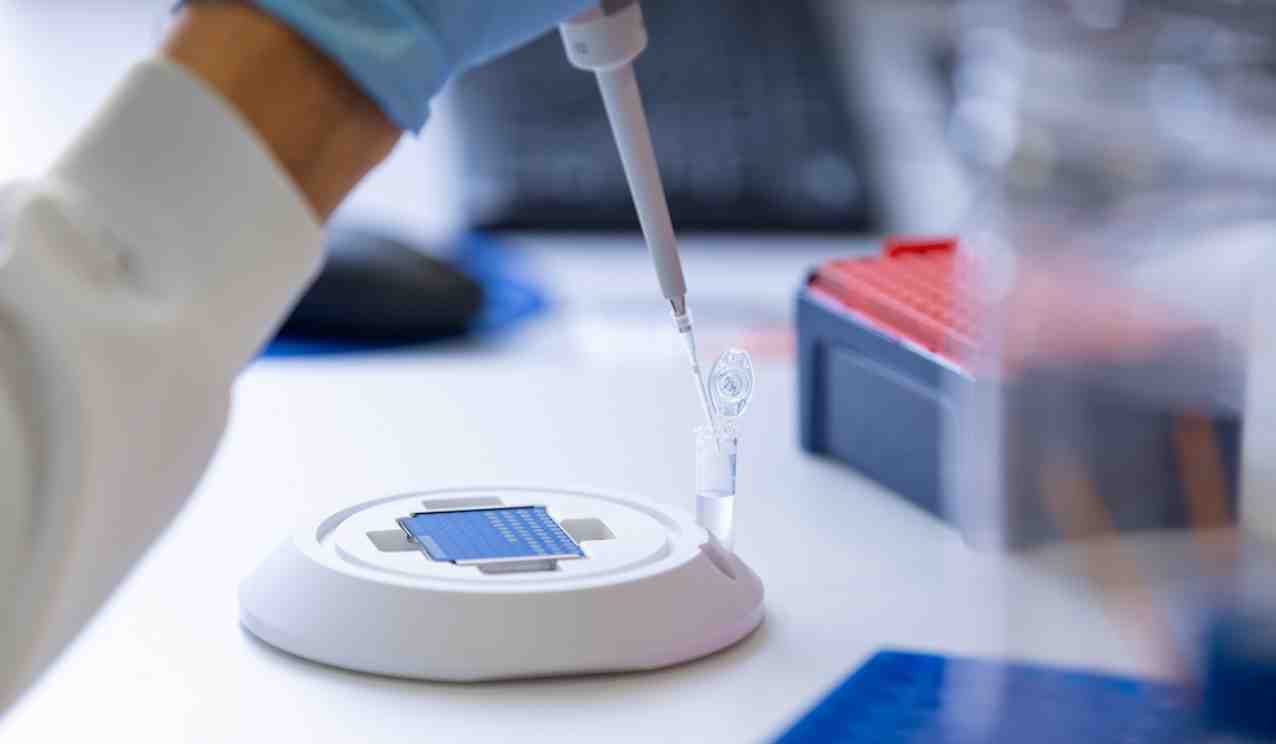
- Containment level 3 laboratories
- An on-site pharmacy
Built on proven expertise
We have more than a decade of experience delivering human challenge studies. During the COVID-19 pandemic, we supported the Oxford–AstraZeneca vaccine trial, with Liverpool the largest trial site outside Oxford.
Strengthening national capacity
Our Human Challenge Facility is the largest academic in-patient human challenge isolation facility in the UK. We deliver this work in partnership with Liverpool University Hospitals Foundation Trust and the University of Liverpool, helping to increase national capacity for human infection research.
A platform for innovation
We will apply our controlled human infection expertise to actively tackle serious threats to human health across the globe.
Explore our current and future studies
Without volunteers, progress in our research would be impossible.
By taking part, you can:
- find out the facts about lung, gut and other infections and how your participation could potentially benefit millions of people
- understand what participating in a clinical trial involves, from start to finish
- receive compensation for your time and participation
There are two main ways to get involved.
- Be part of our community engagement and advisory structures
- Make a difference by volunteering to take part in a clinical trial for new vaccines, drugs or diagnostic tests

News
New £4.5m partnership to tackle neglected tropical diseases
1 October 2026
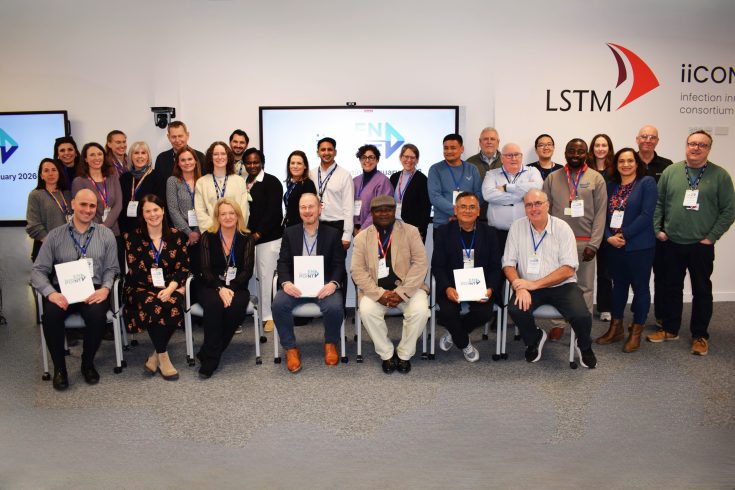
LSTM-led Infection Innovation Consortium (iiCON) launches second phase
22 September 2026
UK’s first high-security robotic AI lab opens at LSTM
7 September 2026