LSTM expands expertise in dengue and immunology
- News
10 June 2026
LSTM expands expertise in dengue and immunology
Human immune responses play a crucial role in determining whether viral infections are successfully controlled or progress to severe disease. Understanding why some people experience mild symptoms while others become seriously ill remains one of the most important challenges in infectious disease research.
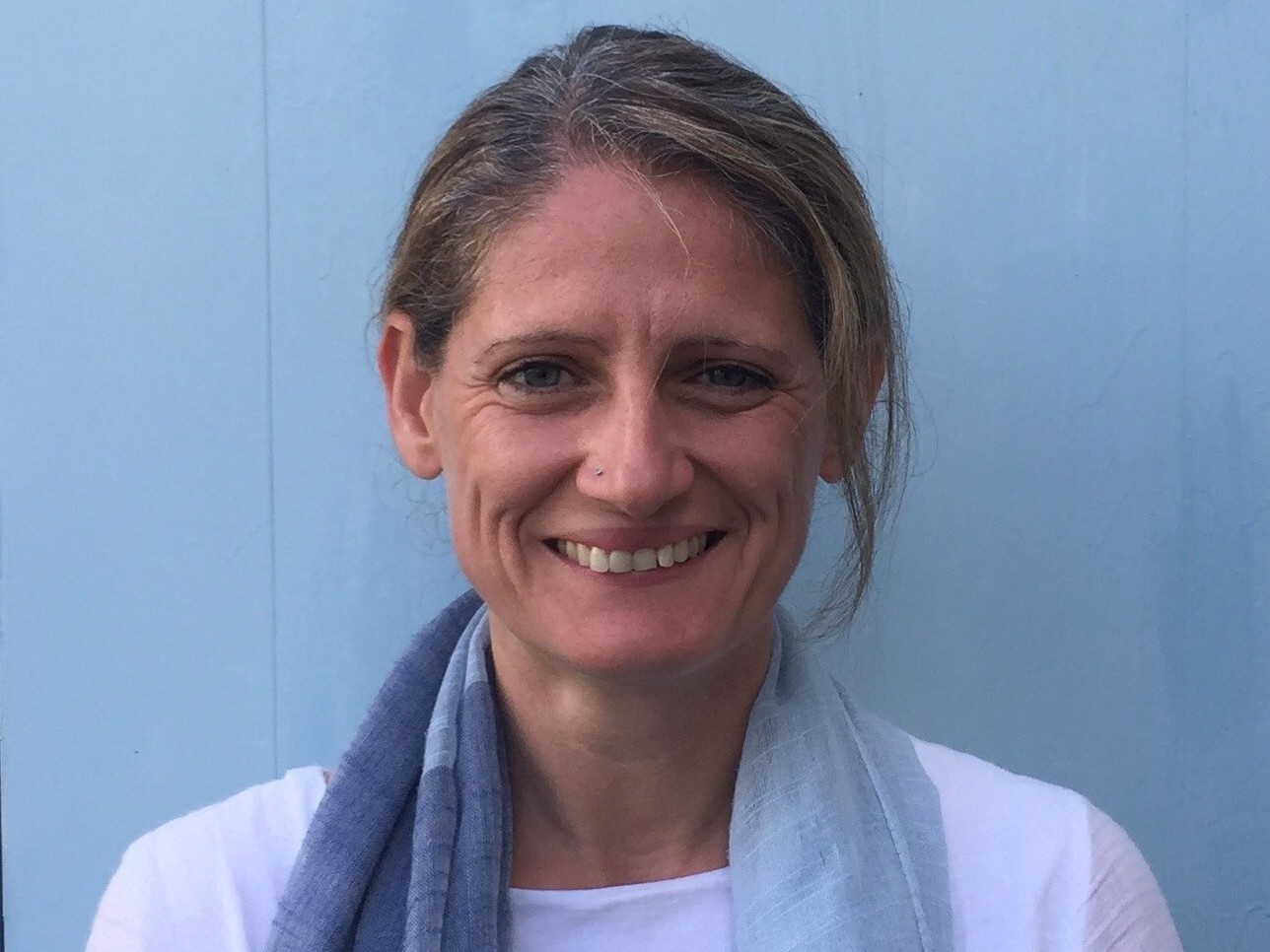
Liverpool School of Tropical Medicine has strengthened its expertise in this area with the appointment of Dr Laura Rivino, an internationally recognised immunologist whose research focuses on dengue and other emerging viral diseases. Throughout her career, Dr Rivino has sought to understand how the human immune system responds to infection, and how those insights can be translated into better vaccines, diagnostics and treatments.
Originally trained as an immunologist, Dr Rivino completed her PhD at the Institute for Research in Biomedicine in Switzerland, where she studied how memory T cells are generated and maintained. She later moved into infectious disease research during a postdoctoral position in Singapore, where she studied dengue virus, a disease that has remained the central focus of her work ever since. Following research leadership positions in Singapore and at the University of Bristol, she joins LSTM to expand her work on dengue immunology and global health.
“I wanted to do more translational research, so I applied my immunology background to viral infections, particularly dengue virus,” she said. “That’s really where my interest in infectious diseases started.”
“While I’ve worked on other viruses, I kept coming back to dengue, which is what I’m most passionate about.”
At the heart of her work is a deceptively simple question: what distinguishes a protective immune response from one that contributes to severe disease?
“I’m interested in understanding human immune responses to infections, particularly viral infections,” she said. “Dengue is a fascinating disease because the immune response plays a dual role. You need it for protection, but it also drives disease pathology.”
Despite infecting hundreds of millions of people worldwide each year, dengue remains a difficult disease to prevent and treat. Existing vaccines offer only partial protection, and there are no dengue specific therapeutics available. Currently, patients are treated with fluids and paracetamol.
“What we’re trying to understand is what a protective immune response looks like, compared to the kind of response that leads to severe disease,” she said. “My work focuses on identifying the immune mechanisms that drive protection versus pathology, with the aim of improving vaccines and developing new therapies.”
At LSTM, Dr Rivino will continue this work while expanding her research into other pathogens of global importance. A major focus will be translating laboratory discoveries into practical applications that can improve patient care.
“A key aim is to translate our discoveries into practical tools, such as diagnostics and potentially new therapies,” she said. “Ultimately, I’m interested in translating these findings into something that can make a difference to patients.”
Alongside dengue, she is also investigating Zika virus and the complex relationship between the two infections.
“We’re working on Zika virus, which is closely related to dengue, to understand cross-reactive immunity,” she explained. “If someone has had Zika and then gets dengue, does that provide protection or make disease worse?”
This work is supported through international collaborations, including the MADZIP consortium, which brings together partners across Asia and Africa to study dengue in diverse settings.
“One of the key questions we’re exploring is why severe dengue appears to be much less common in Africa than in Asia,” she said. “Is it underreported, or are there real differences in immune responses or genetics? These are the kinds of questions we’ll be addressing.”
For Dr Rivino, LSTM’s commitment to translating research into real-world impact was a major factor in her decision to join the institution.
“What really attracted me to LSTM is the strong focus on translation and impact,” she said. “There is a clear pipeline from discovery science through to clinical application, which is quite unique.”
She believes this environment will help accelerate her ambition to ensure dengue research delivers tangible benefits for patients.
“I felt this environment would allow me to take the kind of work I do, which is often discovery-driven, and move it towards something that can make a real difference in clinics,” she said. “That’s my ambition over the next few years, to ensure our dengue research contributes to better diagnostics, treatments and patient outcomes.”
Although she is modest about her achievements, Dr Rivino’s research has already contributed significantly to the understanding of dengue immunology. Early in her career, she helped characterise how human T cells respond to dengue infection and identified where those cells are found in the body.
“We were among the first to characterise the human T cell response to the virus,” she said. “We found that they are concentrated in the skin, which has important implications for vaccine design because ideally you want to generate that kind of response.”
More recently, her work has focused on identifying immune signatures associated with severe disease and understanding the biological mechanisms that drive them.
“We are now trying to understand the mechanisms driving these signatures and how they could be targeted therapeutically to reduce disease severity.”
For Dr Rivino, each discovery forms part of a much larger picture. By bringing together immunology, infectious disease research and global health, she hopes to contribute to a future where viral diseases such as dengue can be more effectively prevented, diagnosed and treated.
“I think of my work as a series of discoveries that build up over time, like putting together pieces of a puzzle, rather than one single breakthrough.”