Peer-led psychological and social support programme helps reduce tuberculosis stigma and depression in Indonesia
- News
21 July 2026
A new study led by Liverpool School of Tropical Medicine and Universitas Indonesia has found that community-based, peer-led psychosocial support can substantially reduce tuberculosis-related stigma (TB stigma) and depression while improving quality of life among people receiving TB treatment in Indonesia.
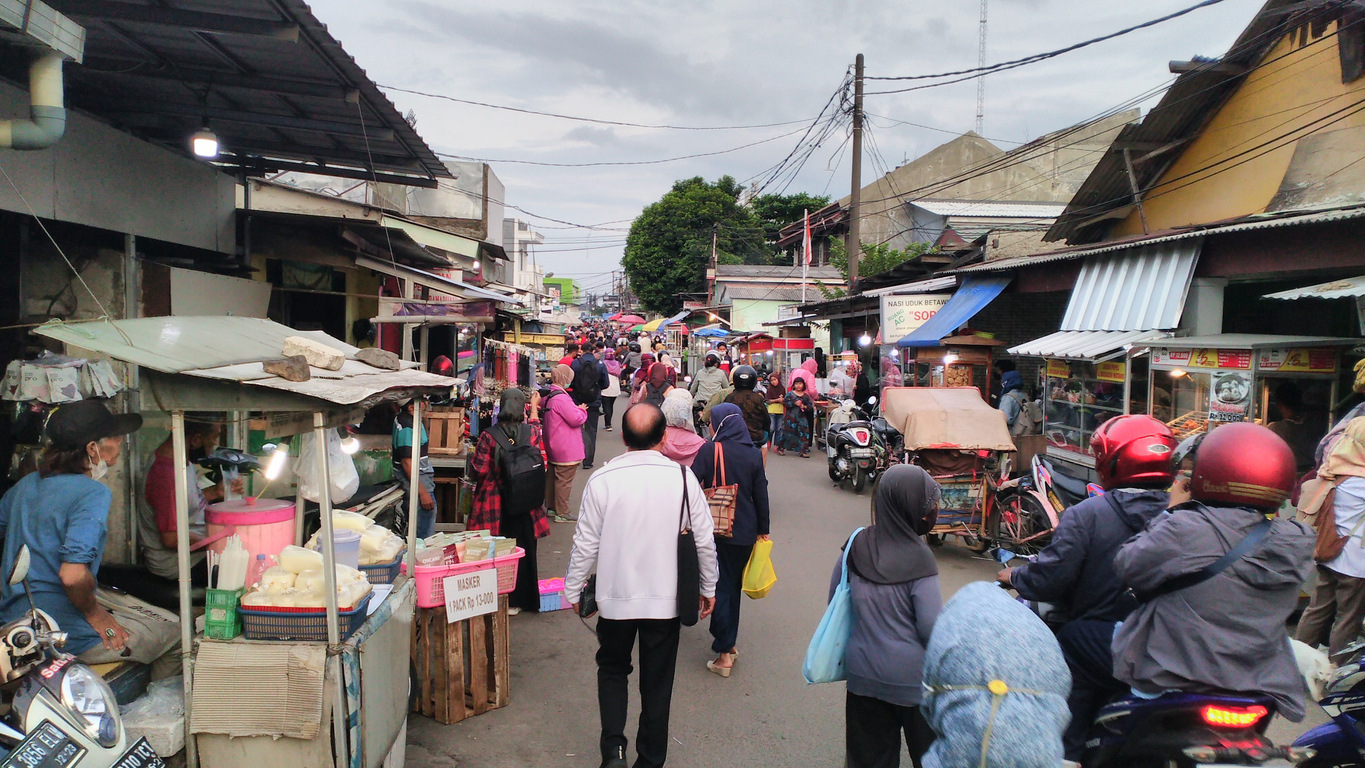
Between June 2024 and January 2025, researchers conducted a prospective cohort study involving 129 people newly diagnosed with TB in two diverse locations in Indonesia, Depok and Padang. Participants were assessed for TB-related stigma, depression, and quality of life at diagnosis before receiving the TB-CAPS intervention, which combined individual counselling, monthly peer-led group counselling, online group messaging, and community-based education activities. Follow up assessments of TB stigma, depression, and quality of life were conducted at two and six months after treatment initiation.
The intervention was co-developed in partnership with people affected by TB, healthcare professionals, policymakers, and TB survivor organisations in Indonesia. Individual information, education, and counselling with healthcare workers was complemented by monthly peer-group support sessions led primarily by TB survivors and community volunteers, creating safe spaces for participants to share experiences, access practical advice, and build confidence during treatment.
At the start of the study, many participants reported concerns about disclosing their diagnosis, fears of social judgement, and feelings of guilt associated with their TB illness. Six months after joining the programme, the proportion of participants experiencing moderate-to-severe TB stigma had fallen from 77% to 28%, while the proportion reporting symptoms of depression fell from 62% to 14%. These reductions in TB stigma and depression were far greater than those seen by the team in people in Indonesia who never received psychosocial support. Participants also reported significant improvements in quality of life over the course of treatment.
The intervention was widely viewed by participants and stakeholders as acceptable, appropriate, and feasible to deliver within existing TB services. The researchers also found that peer-led psychosocial support could be delivered at relatively low cost of around USD$28 per participant, suggesting the potential for wider implementation.
These findings suggest that community-led psychosocial support could play an important role in strengthening TB programmes, improving patient wellbeing, and addressing the social and psychological consequences of TB in high-burden settings.
Dr Tom Wingfield, Liverpool School of Tropical Medicine, co-principal investigator and lead author said “This work was part of our larger TB-CAPS project, which is built on the strong research and educational partnership between LSTM and UI. TB-CAPS aims to address the psychological, social and economic causes and consequences of TB. Collectively, as people with TB, civil society, researchers, healthcare workers, and policy makers, we all worked hard to co-design and evaluate a support package that is appropriate and relevant to local needs in Indonesia. The strong positive impact of the intervention is testament to this diverse collaboration.”
Dr Ahmad Fuady, Universitas Indonesia, co-principal investigator said “Our findings are vital to accelerate Indonesia’s efforts to end tuberculosis. One element often missing from current strategies is psychosocial support for people living with TB. Our new evidence is currently being used to inform national policy on how to integrate that support into routine care.”
Read related blogs on Tom, Ahmad and the team’s work here:
Working with communities in Indonesia to reduce TB-related stigma
Psychosocial support is urgently needed for people experiencing TB stigma