One person a week dies with undiagnosed and untreated tuberculosis in England, study finds
- News
23 June 2026
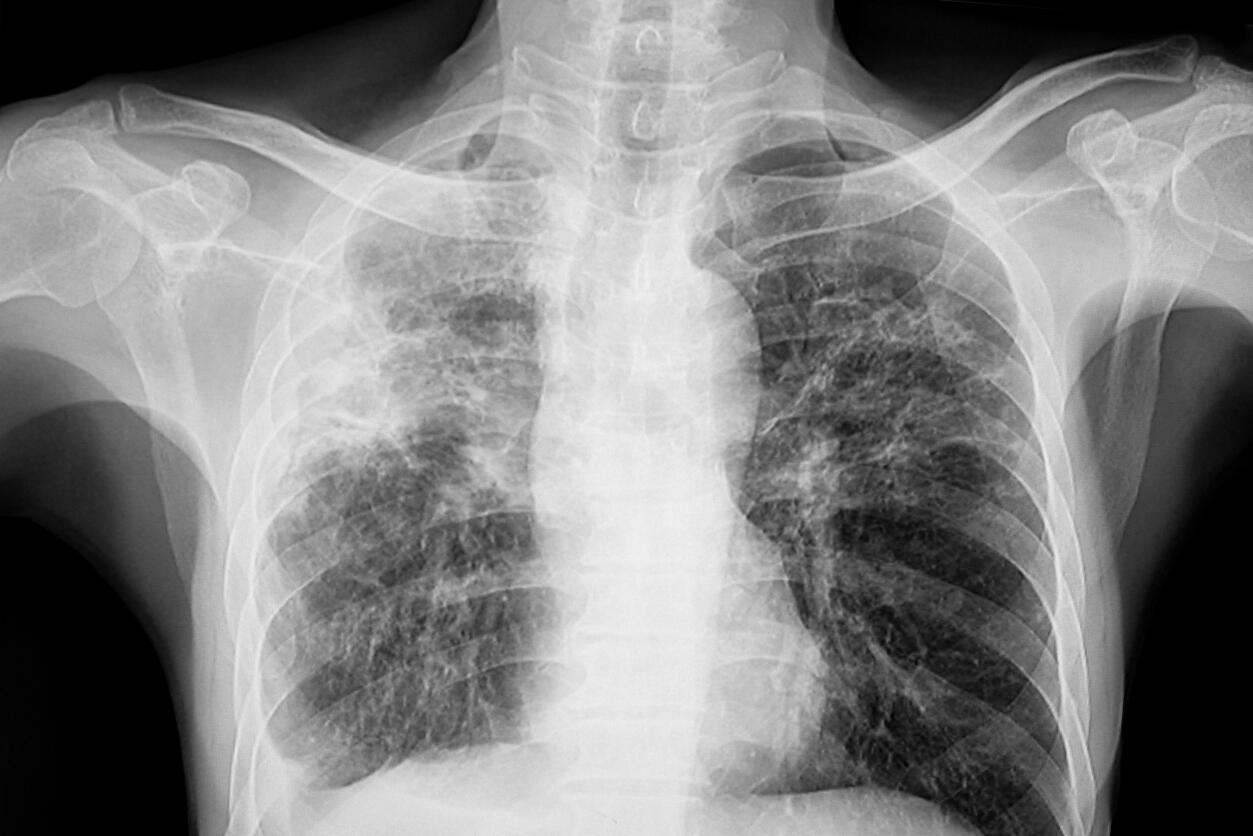
A national cohort study of Tuberculosis (TB) in England has found that, between 2010 and 2022, an average of nearly one person each week was diagnosed with TB after they had died.
The study, published in the journal Thorax, was a collaboration between researchers from Liverpool School of Tropical Medicine’s Centre for TB Research and UK Health Security Agency (UKHSA). The researchers used data from UKHSA’s National Tuberculosis Surveillance System (NTBS) to examine all TB notifications in England between 1 January 2010 and 31 December 2022. Among 72,039 people diagnosed with TB during this period, 574 individuals (0.8%) were diagnosed only after death, equating to nearly one postmortem TB diagnosis every week.
The findings come as TB rates in England have reached a 10-year high, at 9.4 cases per 100,000 population (2024), while TB mortality among people diagnosed with TB is also at its highest level in a decade.
The study found that people diagnosed only after death were more likely to be older, male, UK-born, have a history of misuse of drugs or alcohol, and live outside London. The likelihood of postmortem diagnosis also increased markedly with increasing age above 35 years, although children aged 0–4 years also experienced an elevated risk.
UKHSA reports have shown that the majority of people notified with a TB diagnosis in England are not UK-born and had an average age of 36. This contrasts with the researchers’ findings that older age and being born in the UK were associated with higher odds of postmortem TB diagnosis, which may suggest that healthcare workers may overlook the possibility of TB in these populations, who may not traditionally be considered high risk.
Study co-author Dr Eleanor Morgan, Resident Doctor at Liverpool University Hospitals NHS Foundation Trust said, “Our study found that, on average, one person every week in England was diagnosed with tuberculosis only after they had died. As TB rates continue to rise, we need to keep asking, ‘Could this be TB?’, even in people who do not fit the usual risk profiles. If England is to eliminate TB, reducing delays in diagnosis will be essential so that fewer people miss the opportunity to receive effective treatment.”
Senior author, LSTM’s Dr Tom Wingfield said: “Deaths related to superbugs like MRSA or C difficile are routinely investigated in the NHS and classified as never events. Identifying TB as a never event that triggers root cause analysis could contribute to preventing future deaths.”
In addition, to avoid the ultimate diagnostic delay of postmortem death from TB, the team highlight a need for greater awareness of TB among healthcare professionals outside of London, especially in regions with lower TB notification rates, and amongst people with social risk factors such as substance and alcohol misuse and addiction.
TB is both preventable and curable, yet diagnostic delays remain common. Global studies have shown that delays of more than three weeks between entering healthcare services and starting treatment are associated with worse outcomes. In England, around two-thirds of people with TB experience more than two months of delay between symptom onset and treatment.
Paul Cleary, Consultant Epidemiologist, UK Health Security Agency said, “People who have died with or from TB may represent missed opportunities to identify and treat the disease earlier, as well as to prevent possible transmission to others.
“This study improves our understanding of who may be most at risk of missed TB diagnosis and underlines the need for clinicians to remain alert to the possibility of TB in these groups, even as the disease becomes less common in England.”
Read the team’s previous, related research in Thorax and BMC Public Health, and engagement articles in the BBC and The Conversation, about TB in the UK.
The study team gratefully acknowledge: the NHS TB teams and other partners who took the time to notify people with TB and enter the relevant data into the NTBS; the UKHSA TB Unit for their valuable support and for sharing the data that made this work possible; and to people with TB in the UK and globally who have given their time to research.