New genomic study traces spread of invasive malaria mosquito from Asia to Africa
- News
26 June 2026
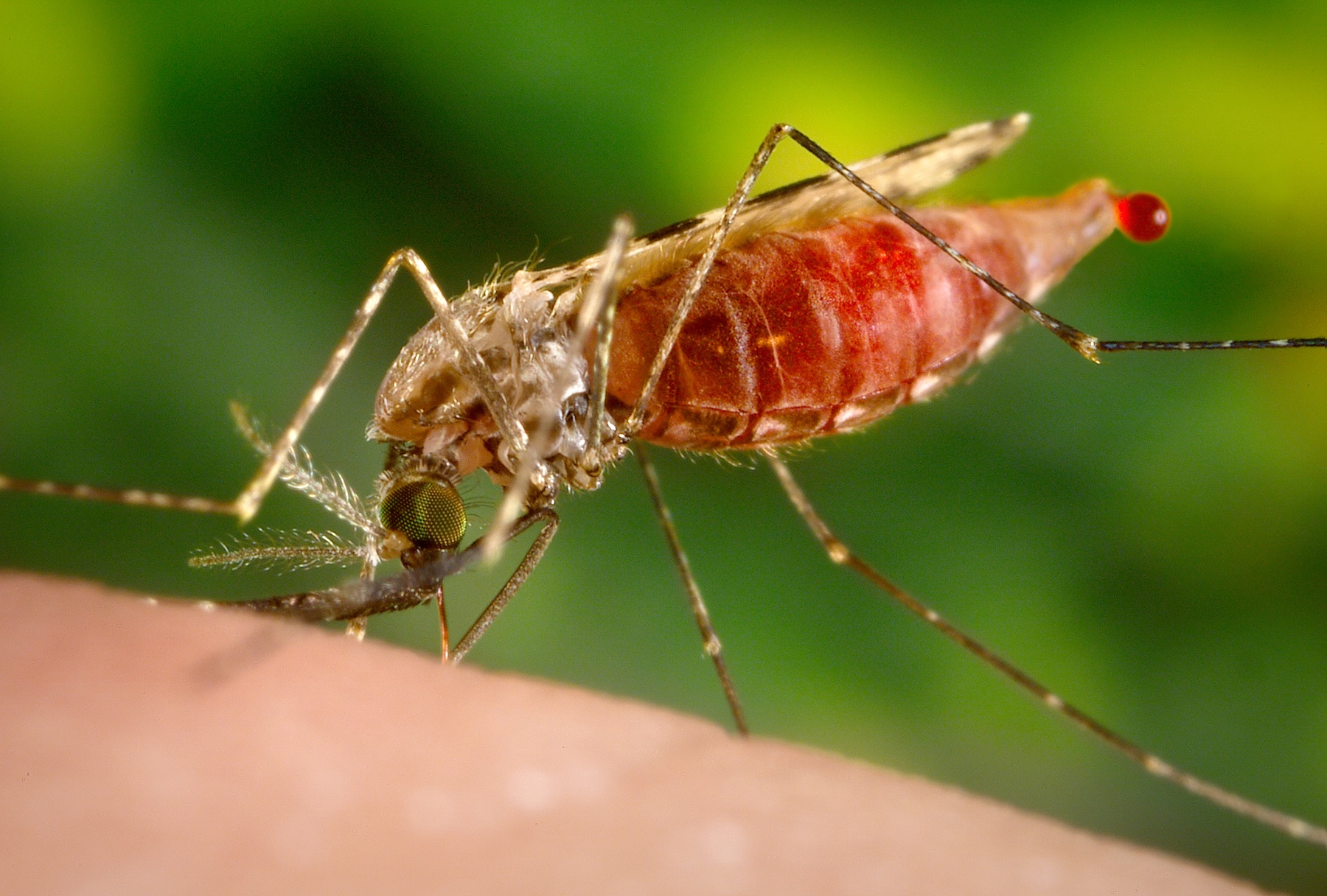
A genomic surveillance study has shed new light on how an invasive urban malaria mosquito species spread from Asia to Africa, potentially threatening public health across a rapidly urbanising continent where malaria is mainly concentrated in rural areas.
The study, published in the journal Science, was led by researchers at Liverpool School of Tropical Medicine (LSTM) in partnership with research institutions across Africa, the Middle East and Asia who analysed Anopheles stephensi mosquitoes collected across these regions, reconstructing the route of the invasive species in unprecedented detail.
The findings show that An. stephensi originated in South Asia, possibly coastal Pakistan or northern India. Djibouti then served as the invasion bridgehead, seeding further invasions into Yemen, Ethiopia and possibly Sudan. The spread was aided by Sudan’s flat, windy terrain, while the rugged Ethiopian Highlands slowed its movement across the Horn of Africa and southwards into Kenya, creating genetically distinct subpopulations along the way.
The study also found that insecticide resistance, driven by detoxification enzymes, is widespread across all invasive populations, highlighting the urgent need for alternative control strategies, including larval source management and novel classes of insecticides.
Elfatih Malik, study co-author and Associate Professor at the University of Khartoum said “This study is a powerful reminder that emerging public health threats do not respect geographic boundaries. It underscores the critical value of scientific collaboration and highlights the urgent need for sustained surveillance, stronger regional partnerships, and innovative control strategies to stay ahead of a rapidly adapting vector.”
Lead author Tristan Dennis added, “Prior to this study there were many competing hypotheses about where this mosquito came from and how it spread. For the first time, we can trace its detailed invasion history from its DNA. We can also see that resistance to the insecticides used in bed nets and indoor spraying was introduced from Asia, meaning this mosquito arrived in Africa already adapted to resist the main insecticides used for vector control programmes.”
The results of this study also created a freely available genomic data resource, released in partnership with the MalariaGEN Vector Genome Observatory. This resource will support the development of cheaper and more deployable surveillance tools, including resistance diagnostics and ancestry markers to track new invasions.
Invasive spread
An. stephensi is a primary malaria mosquito native to South Asia and the Persian Gulf and is well adapted to urban environments.
First detected in Djibouti in 2012, it has since been found across the Horn of Africa, Yemen and Kenya, with its range continuing to expand. There are concerns that its establishment could substantially increase malaria transmission and case numbers across the region.
The prospect of further spread in a region affected by geopolitical instability, mass displacement and high vulnerability to climate change has raised international alarm.
These challenges underline the importance of understanding how and why An. stephensi has spread throughout the region and the development of evidence-based strategies to contain its ability to transmit malaria.
Study co-author, Professor Delenasaw Yewhalaw, Jimma University, said “This study provides strong empirical evidence, generated through North–South collaboration, on the origin, invasion routes and insecticide resistance of Anopheles stephensi. These findings will contribute to efforts to contain its spread in Africa and beyond.”
Professor Endalamaw Gadisa, Armauer Hansen Research Institute, Ethiopia added “As part of the CEASE consortium, we are pleased to see this study published in Science. The findings shed light on the mosquito’s introduction, spread and insecticide resistance, providing foundational evidence to guide future surveillance and control strategies.”
Acknowledgements:
This study relied heavily on the expertise and dedication of in-country partners and national research institutions across Africa, the Middle East and Asia, many working in remote or conflict-affected regions including: The Armauer Hansen Research Institute and Jimma University (Ethiopia), The University of Khartoum and the Federal Ministry of Health (Sudan).
Related courses

MSc One Health in Tropical and Infectious Disease
Explore the connections between human, animal and environmental health and their role in tackling tropical disease.
View course