Ethical preparedness during health systems shocks: new study to develop sleeper protocols for rapid and ethical research responses
- News
18 June 2026
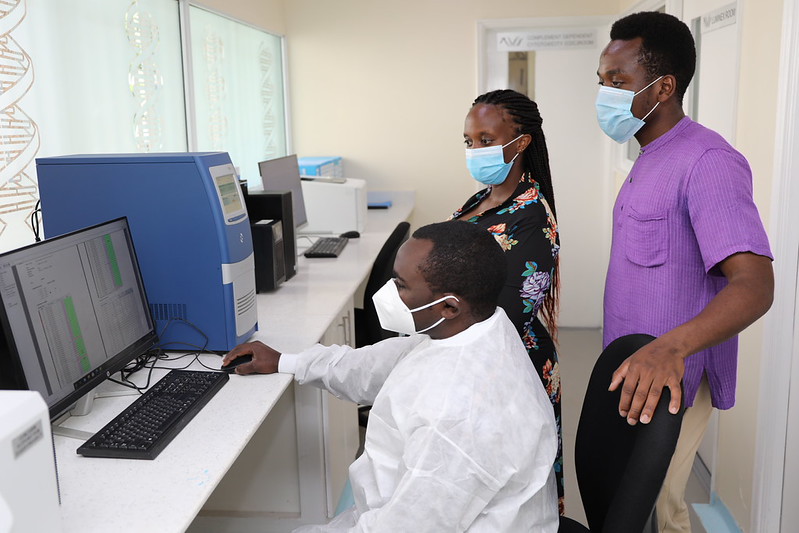
A new study from LSTM’s Institute for Resilient Health Systems (IRHS) has been produced to address ethical challenges and strengthen preparedness for health systems researchers during emergencies.
To understand the scale of the challenge faced by health researchers in low and middle-income countries (LMICs) when emergencies hit, imagine this scenario:
You are a health researcher in an LMIC, studying your country’s fragile and under-resourced health system, producing evidence to support the health workers and health facilities to keep functioning and remain resilient. Then an epidemic, conflict, climate event, or other shock hits – negatively affecting the health system’s ability to function and provide essential services.
Just when rapid evidence generation becomes urgent, you are confronted with difficult ethical dilemmas:
- How can research proceed when communities face such shocks or resource scarcity?
- What is ‘meaningful ethical consent’ when you need evidence right now?
- How can you balance speed with scientific integrity, safeguarding participants and communities?
- How should ethical procedures adapt when physical contact is limited, e.g. when face-to-face interaction, informed consent discussions and community engagement are limited?
Addressing the challenge:
The study aims to develop a ‘sleeper protocol’ to help health researchers and health systems be more prepared to address these ethical dilemmas when emergencies strike. The sleeper protocol will function as a pre-designed, ethically robust research template that can be rapidly adapted and activated during health system shocks. This approach is intended to help research teams move away from reactive ethics in crisis and towards institutionalised ethical preparedness.
Teams at KEMRI-Wellcome Trust Research Programme in Kenya and Malawi Liverpool Wellcome Research Programme (MLW) in Malawi will use key informant interviews and participatory workshops with researchers, ethics committee members, and policymakers to explore ethical challenges experienced during past crises and co-develop practical, contextually relevant solutions.
Jane Kahindi, who is leading the KWTRP strand of the study, said: “We have seen from public health emergencies such as the COVID-19 pandemic, cholera outbreaks, and climate-related disasters, that health systems can be severely disrupted at a time when they are urgently needed by the communities they serve. This is also the time when rapid evidence generation is most needed. This study will help address this gap by ensuring ethical consent is secured and appropriate procedures are followed in difficult circumstances.”
Wezi Msukwa-Panje from MLW added: “The sleeper protocol will rapidly activate ethically sound, pre-reviewed studies when crises strike, reducing delays while ensuring the protection of study participants. The study will also produce practical guidance to support research institutions, policy makers and ethics committees working in challenging contexts. Our aim is to help health system researchers to produce more timely, ethical, adaptive and resilient research responses in future health system shocks.”
‘Embedding ethical preparedness in implementation research during shocks for resilient health systems: Lessons from Kenya and Malawi’ is co-funded through IRHS and The Global Health Bioethics Network (GHBN) Bursary Fund, a platform for the promotion of and support for LMIC-led research in bioethics. Funded by the Wellcome Trust, the GHBN is a partnership between the Wellcome Major International Programmes in Kenya, Malawi, South Africa, Thailand, Vietnam, the Universiti Malaya, and the Ethox Centre at the University of Oxford.
Related courses

MSc One Health in Tropical and Infectious Disease
Explore the connections between human, animal and environmental health and their role in tackling tropical disease.
View course