First Participant Randomised in International Crimean-Congo Haemorrhagic Fever Trial
- News
23 July 2026
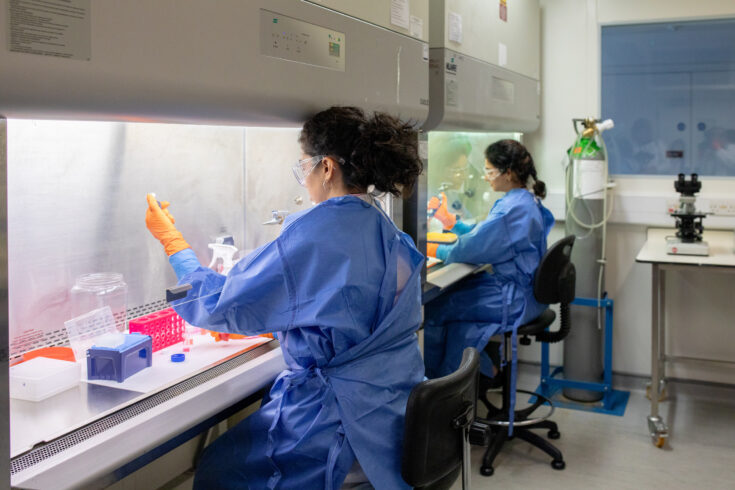
The first participant has been randomised in the UMIT-2 clinical trial at Sivas Cumhuriyet University in Türkiye, marking a major milestone in the global fight against Crimean-Congo haemorrhagic fever (CCHF), one of the world’s highest-priority emerging infectious diseases.
Funded by the UK Medical Research Council through its Applied Global Health Research programme, UMIT-2 aims to address a critical evidence gap in CCHF treatment. The study, sponsored by Liverpool School of Tropical Medicine (LSTM) and coordinated through its Global Health Trials Unit (GHTU), is the first multi-country, multi-site therapeutic clinical trial for CCHF, bringing together centres across Türkiye, Iraq and the United Kingdom to evaluate urgently needed antiviral treatments.
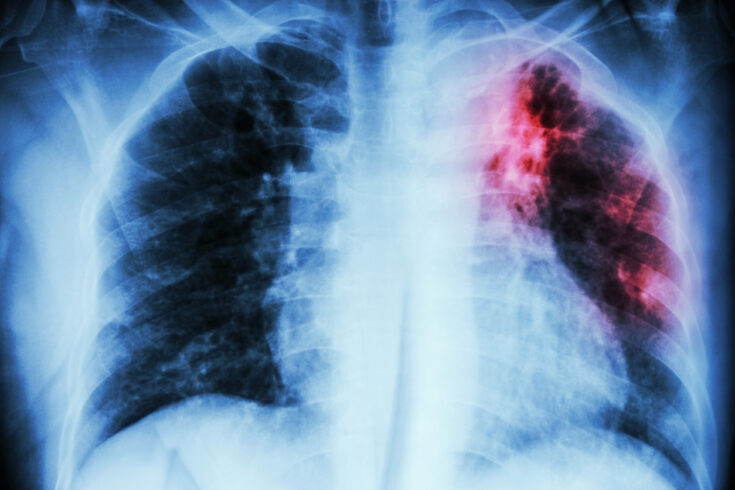
Crimean-Congo haemorrhagic fever is a tick-borne viral disease that can cause severe illness, haemorrhage and death. Despite being recognised as a priority pathogen, there are currently no licensed antiviral therapies proven to improve outcomes for patients. UMIT-2 is establishing a network of clinical trial sites in regions where the disease occurs regularly, building on the success of UMIT-1, the first clinical trial of new drugs for CCHF conducted in Ankara.
Developed through a longstanding partnership between researchers in Türkiye and the UK, UMIT-2 has been supported by the Turkish Ministry of Health and participating hospitals across the country. Recruitment is now underway in Türkiye, with expansion into Iraq planned for 2027.
Dr Tom Fletcher, Director of LSTM’s Global Health Trials Unit and Co-Chief Investigator of UMIT-2, said:
“The randomisation of our first participant is a hugely important milestone for CCHF research globally. Türkiye has played a leading role in advancing our understanding of this disease, and together with our partners we have established the first international multi-site therapeutic trial for CCHF. We are particularly delighted that the first participant was enrolled at Sivas Cumhuriyet University, a centre that has been central to the development of this programme. UMIT-2 will generate the high-quality evidence needed to determine whether antiviral therapies can improve outcomes for patients affected by this devastating infection.”
UMIT-2 uses an adaptive platform trial design to evaluate multiple antiviral treatment strategies efficiently, helping accelerate the generation of evidence needed to guide future patient care and strengthen global preparedness for future outbreaks.
Professor Nazif Elaldi, Co-Chief Investigator of UMIT-2 and Professor of Infectious Diseases at Sivas Cumhuriyet University, said:
“Türkiye has a long history of managing CCHF and has developed internationally recognised expertise in patient care and research. However, there remains an urgent need for proven antiviral therapies. UMIT-2 represents an important step towards generating the evidence needed to improve treatment for patients in Türkiye and other affected countries.”
Find out more:
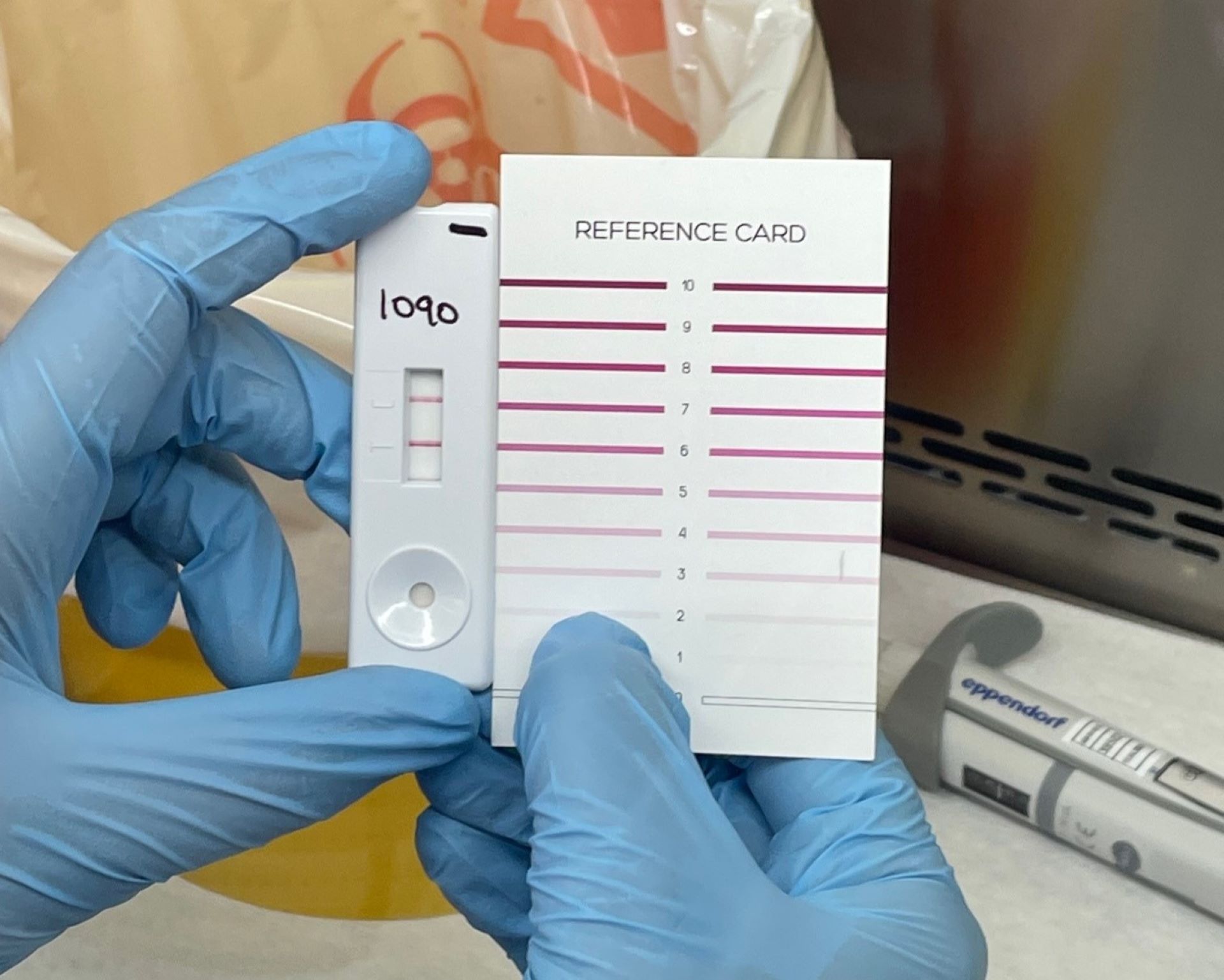
LSTM develops the world’s first rapid test that detects Crimean-Congo haemorrhagic fever