LSTM joins global consortium accelerating the development of new tuberculosis treatments
- News
14 April 2026
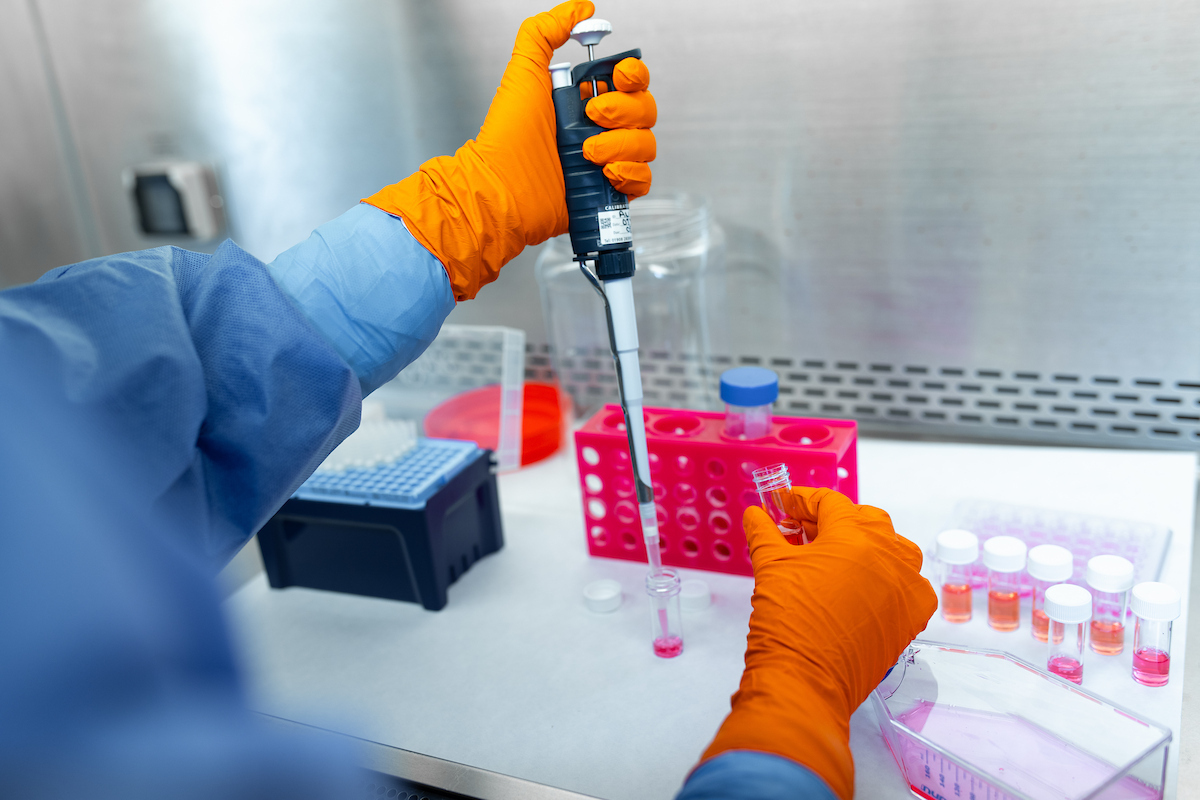
Liverpool School of Tropical Medicine (LSTM) has joined the global Tuberculosis Drug Accelerator (TBDA), a major international consortium working to develop more effective treatments for one of the world’s deadliest infectious diseases.
Tuberculosis (TB) continues to cause more than a million deaths each year, with progress in treatment constrained by long, complex drug regimens and limited investment in new therapies. By joining TBDA, LSTM will contribute its expertise in drug discovery to a collaborative effort designed to overcome these challenges and deliver faster, more effective treatments.
The TB Drug Accelerator brings together more than 20 partners, including pharmaceutical companies, academic institutions and product development partnerships. Established over a decade ago, the consortium operates in a pre-competitive space, where members openly share data, insights and expertise to accelerate progress and avoid duplication of effort.
Professor Tanya Parish, Professor of Global Health Therapeutics at LSTM, said: “What makes the TB Drug Accelerator unique is the way partners share information openly, including data that would traditionally remain within individual organisations. By working collectively, we can avoid duplication, make better use of limited funding, and accelerate progress towards new treatments.”
TBDA partners exchange findings across the drug discovery pipeline, from identifying and validating new biological targets to developing promising compounds. This coordinated approach has already led to the identification of novel drug targets and the progression of new molecules into preclinical development.
LSTM’s involvement in TBDA strengthens its growing portfolio in antimicrobial and infectious disease research and reflects its commitment to working in partnership to address global health challenges.
Professor Parish added: “TB drug discovery is particularly challenging, but by combining expertise across the consortium we have been able to advance candidates further and faster than would be possible in isolation. Our shared goal is to deliver new drugs that can shorten treatment and improve outcomes for patients worldwide.”
By contributing to a model that prioritises collaboration over competition, LSTM will help drive the development of urgently needed TB treatments and support international efforts to reduce the global burden of the disease.