Global Health Economics and Financing Unit
From evidence to action
supporting sustainable development through health system innovation

The Global Health Economics and Financing Unit advances research on health economics and financing in low- and middle-income countries (LMICs). We apply economic insights to translate effective health and health systems interventions into sustainable development.
There is a critical need for accessible, context- and policy-relevant health economics and financing research in LMICs, but a severe shortage of the expertise needed.
Working collaboratively with health economists and researchers in allied sciences in LMICs we generate robust, contextually grounded evidence while strengthening local research capacity and economic expertise.
Health economics is just part of the solution. We partner in multi-disciplinary research consortia to ensure clinical, behavioural and systems-level impacts inform our work.
Our research is underpinned by systems thinking to ensure the interconnections between financing and other aspects of health systems are understood, explored, described and evaluated.
Our work spans economic evaluations and priority setting, economic modelling and methodological development, equity assessment, health system and financing analyses, and behaviour, preferences and outcomes research.
We collaborate widely across LSTM, including with the Global Health Trials Unit, the Institute of Resilient Health Systems, the Centre for Capacity Research and the Centre for Tuberculosis Research.
Our research focus and approaches
We deliver translational health economics, financing, and outcomes research to drive policymaking
We work at the intersection of health systems, research, financing, and policy to deliver relevant, high-impact evidence.
We accelerate the translation of innovative health interventions by demonstrating their health and economic value, particularly to vulnerable populations, measuring costs, and articulating financing implications. Equity underpins our work, with a clear focus on those most at risk.
We co-create knowledge and foster collaboration
Through our global network of health economists and research partners, we generate economic evidence aligned with national and sub-national priorities and key policy windows.
We embed our teams with in-country health economics focal points and champion open sharing of methods, data (subject to country and funder rules) and expertise to advance the application of health economics in global health.
We partner with LSTM African hubs and other institutions to co-locate expertise, strengthen collaboration, and ensure research responds to real-world needs.
We equip future leaders with essential knowledge in health economics and financing
We deliver postgraduate training in applied global health economics, alongside bespoke programmes tailored to partner needs. Through research projects, workshops, and seminars, we share insights with LSTM masters students and wider audiences.
Where possible, we embed fully funded PhD opportunities in our research grants and also support MSc dissertation projects.
Our team

Professor Eve Worrall
Professor Eve Worrall, GHEFU Director, is a Health Economist specialising in health economic evaluation. Her experience spans academia, philanthropy and the commercial sector where she provided consultancy services to global health partnerships, international donors and African governments.

Dr Gillian Turner
Gillian Turner has more than 25 years experience, as a health economist and health systems specialist in Africa and South Asia, with a focus on addressing poverty and inequity. Her experience encompasses health systems – including health finanicng – reform, sexual and reproductive health and rights, nutrition and wider determinants of health.

Dr Chantal Morel
Dr Chantal Morel is a health economist specializing in infectious diseases, and in the economic issues related to antimicrobial resistance in particular.
Our impact
Informing policy
Our analysis informs WHO guidance and national policies and strategies. For example, modelling from the Start4All research project shows that pooled molecular testing reduces costs and improves cost-effectiveness in low-positivity settings, and this evidence informed WHO guideline development.
Capacity building and partnerships
We have built a global network of knowledge brokers who translate health economics research into actionable strategies. By pairing our specialists with in-country focal points, we ensure locally grounded expertise and lasting impact.
Many of our health economics focal points undertake PhDs at LSTM and go on to lead impactful research in their home countries. Recent PhD successes include: Ewan Tomeny, UK. PhD in economics of TB and Laura Rosu, Romania, PhD in economics of multi-drug resistant TB.
Projects
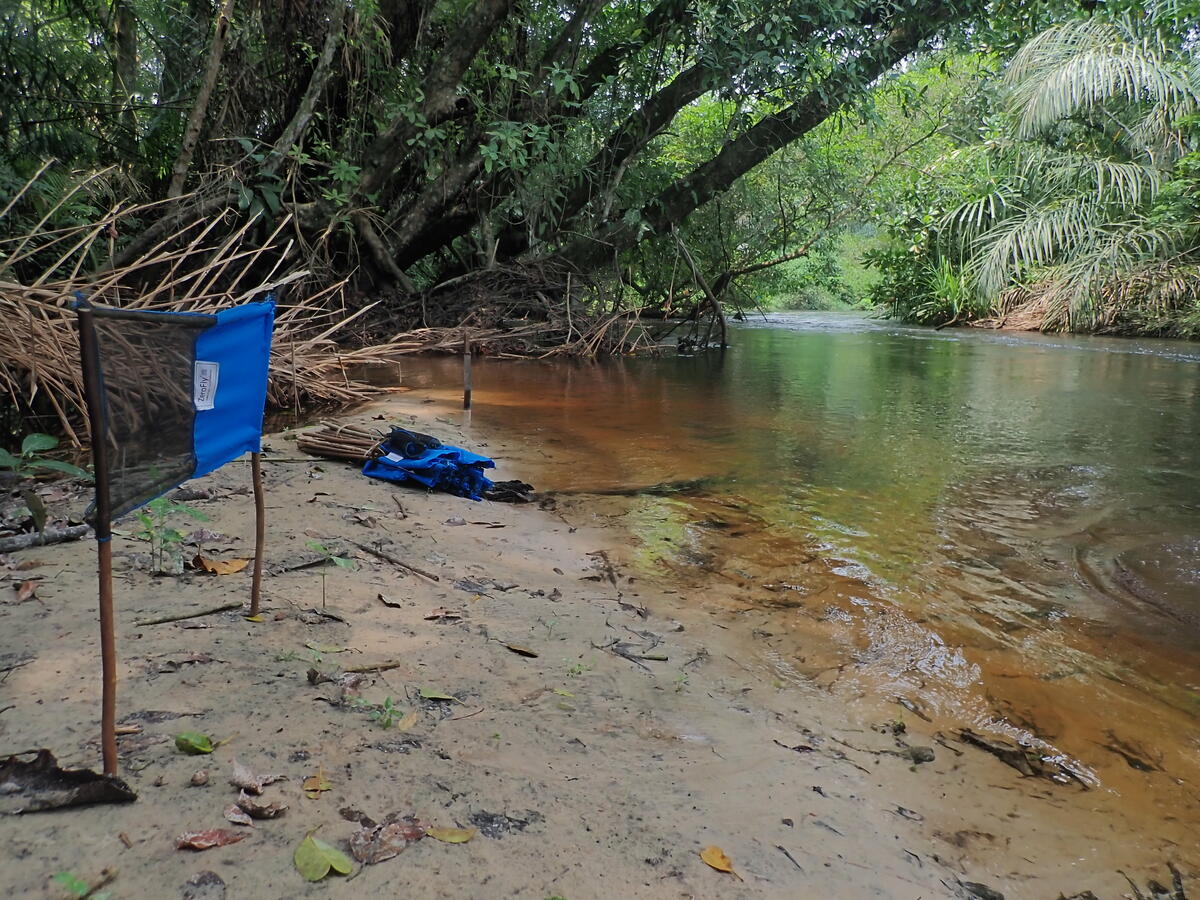
Tiny Targets
Tiny Targets is an innovative vector control initiative led by LSTM and partners to reduce the spread of sleeping sickness. The aim was to reduce tsetse fly densities below the threshold that allows transmission of the disease.
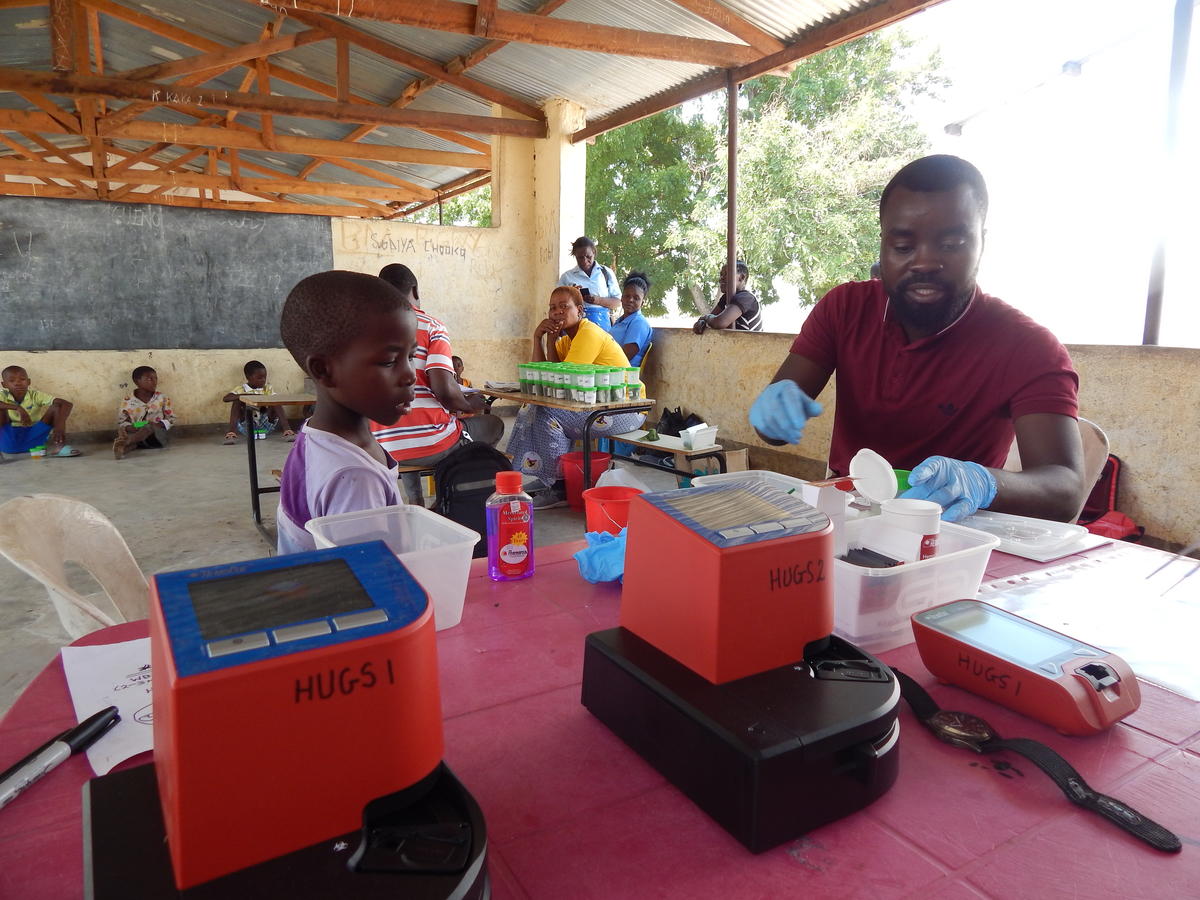
Hybridisation in UroGenital Schistosomiasis (HUGS)
The Hybridisation in UroGenital Schistosomiasis (HUGS) project is an international research collaboration focused on understanding the impact of parasite hybridisation on disease control.
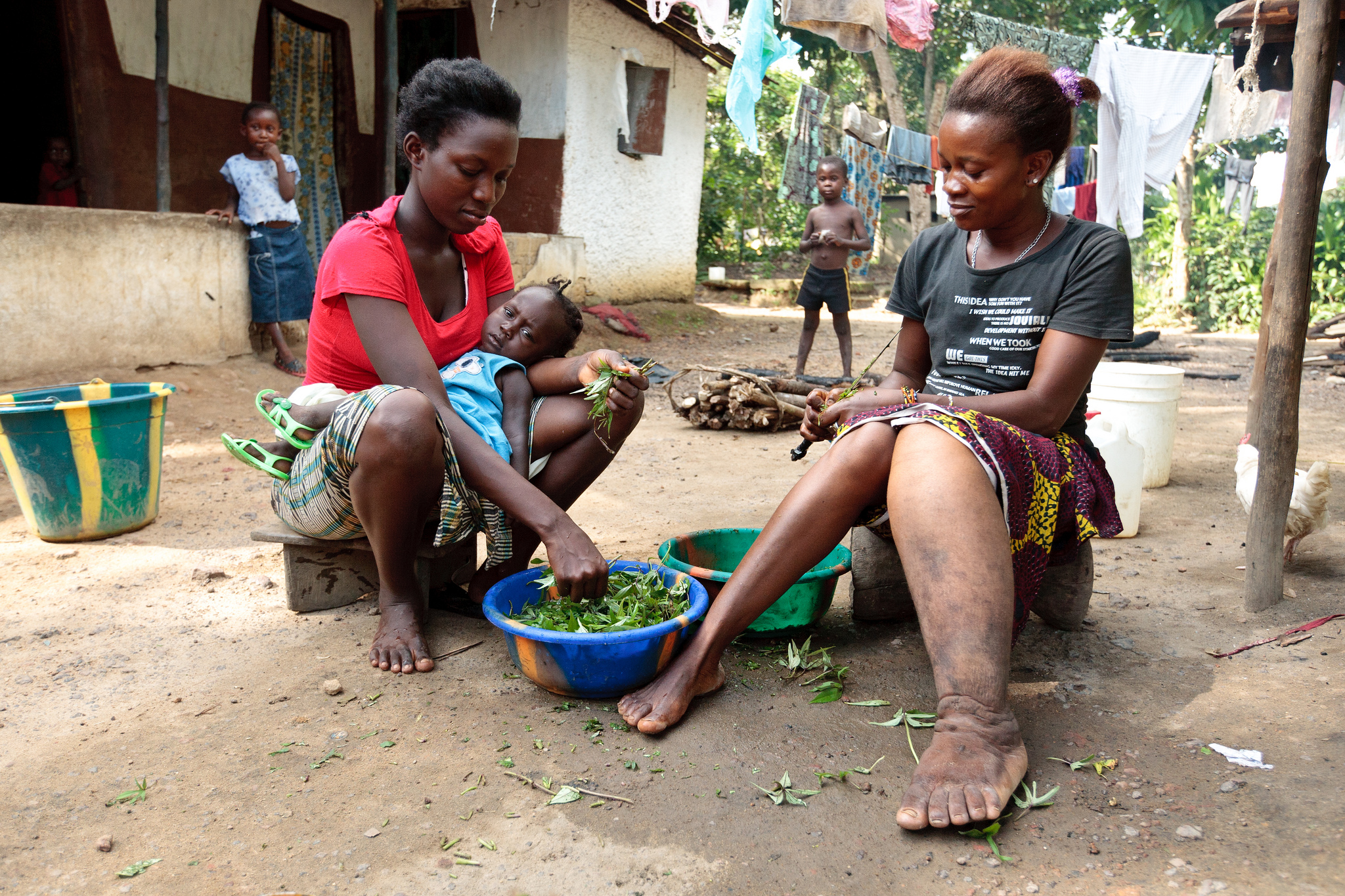
Anti-Wolbachia Consortium (A·WOL)
The Anti-Wolbachia Consortium (A·WOL), led by LSTM, is pioneering a novel approach to treating filarial diseases by targeting Wolbachia, an essential bacterial symbiont within the worms that cause onchocerciasis and mosquitoes that cause lymphatic filariasis.
Related news

LSTM strengthens Tuberculosis therapeutic research
9 March 2026
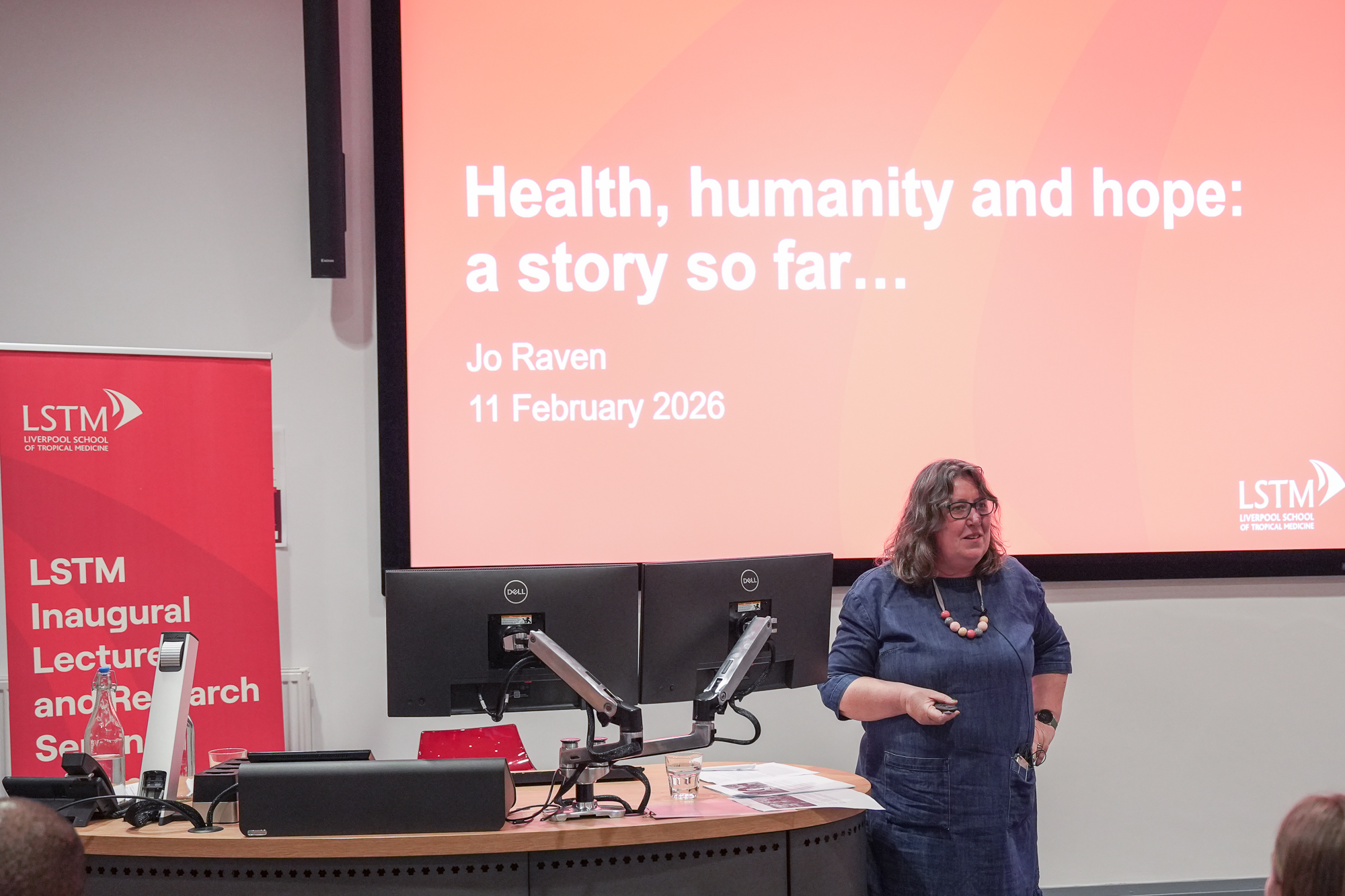
Inaugural Lecture – Professor Jo Raven
1:01:51

Education and training opportunities
We also provide a taster day session on health economics and financing at the annual LSTM PGR student summer school – PhD Opportunities
Recent publications
Hafidz, F., Fachiroh, J., Bintoro, B. S., Wicaksana, A. L., Qaimamunazzala, H., Rosha, P. T., Pratama, K. G., Nurvitasari, R. I., & Wardani, R. K. (2022). Economic Impact of the Coronavirus Disease-2019 Pandemic: Sleman Health and Demographic Surveillance System Individual Panel Secondary Data Analysis. Malaysian Journal of Medicine and Health Sciences, 18, 18-25.
Novita, R., & Hafidz, F. (2022). Examining Equity in Healthcare Services among Beneficiaries of the National Health Insurance Program in Indonesia: Evidence from National Survey. Malaysian Journal of Medicine and Health Sciences, 18, 82-88