LSTM Decolonial History Research Project
LSTM Decolonial History Research Project
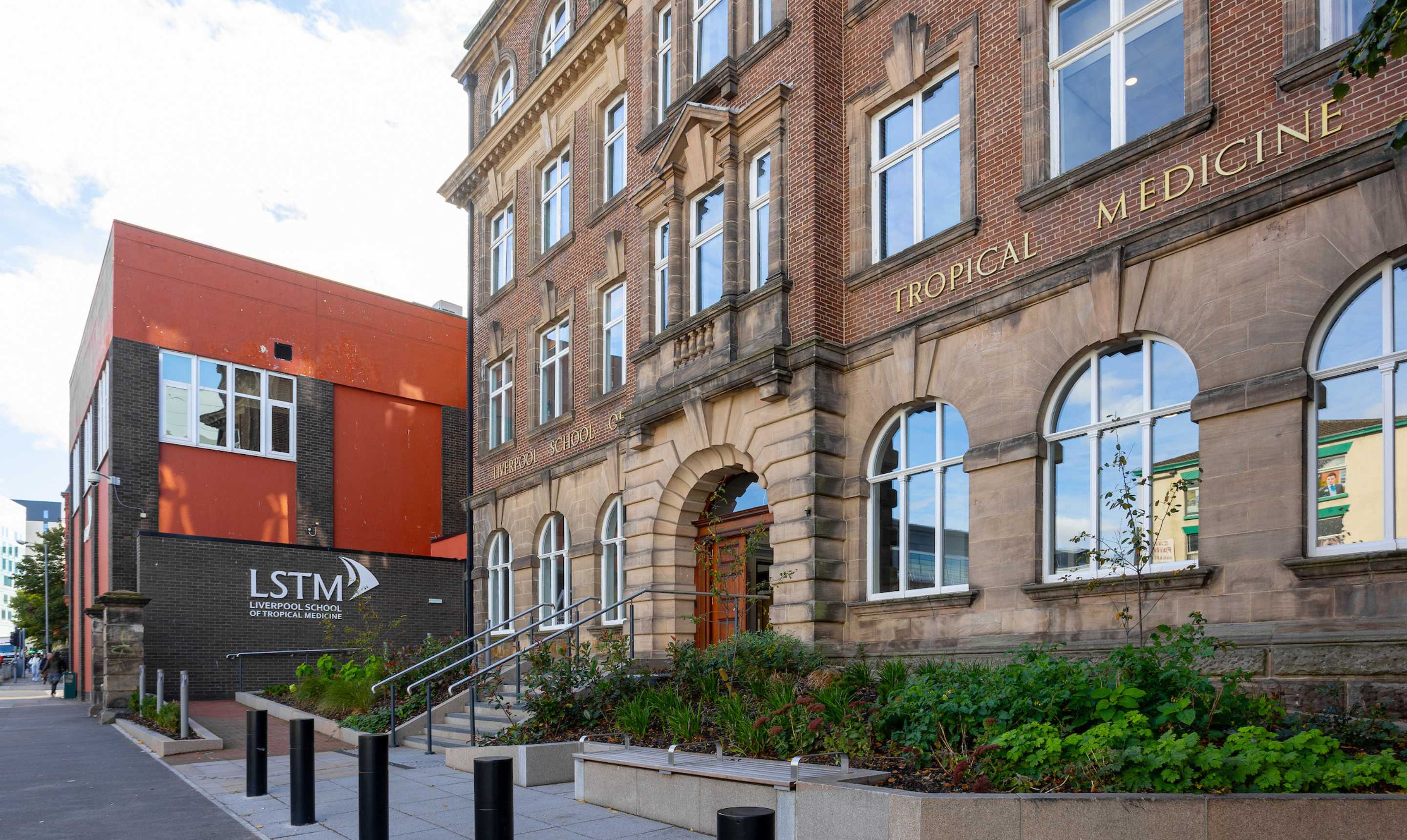
About the Project
The LSTM Decolonial History Research Project is part of the school’s commitment to confront its colonial history and become an actively anti-racist organisation. This research project continues the school’s 2022 Race Review and 2023 Race Equity Action Plan, which coincided with the institution’s 125th Anniversary.
LSTM’s Vice Chancellor, Professor David Lalloo, in an introduction to the History Project call in 2024, acknowledged LSTM’s rich and complex history, from being the first in Great Britain to produce a Nobel Prize recipient in Medicine to the school’s connections to British imperialism/colonialism and the need to confront its colonial origins. Founded in 1898 on wealth accumulated from Liverpool’s connections with British imperial and colonial economy, the school led research in global majority regions designated the tropics to combat diseases. LSTM therefore contributed medical research that shaped and promoted British imperial commercial exploitation and consolidated colonial influence through several health interventions.
The school’s role in imperial and colonial health has shaped the discipline of Global Health and Tropical Medicine to this day. Considering these histories, the project examines the school’s first 25 years, critically highlighting its tangled relationship with Liverpool’s post-Atlantic Slavery economy. By examining the school’s archives and interrogating its history, the project also explores opportunities for the school to draw on these histories to lead more equitable global health practice and partnerships.
Membership and Support Team
The project comprises two historians. Project Lead Professor Robert Burroughs is a cultural historian of empire, slavery, humanitarianism and Black British history, and the Dean of the School of Humanities and Social Sciences at Leeds Beckett University. Dr David Damtar is a Postdoctoral Research Associate at LSTM, and his research interests focus on resource extraction at the intersections of imperial, colonial, and Post-Colonial African History.
An External Advisory Panel supports the research team and is established within LSTM’s governance framework. Professor Stephen Small of the University of California, Berkeley, chairs the Panel, which comprises local and international members with relevant expertise in Archives, Global Health, Social Sciences, and History. The Panel members also have years of experience working with communities whose histories have been shaped by slavery, imperialism, and/or colonialism.
Project Scope and Purpose
As the initial phase of LSTM’s Decolonial History Project, the two-year initiative operates from October 2025 to October 2027. Commissioned by LSTM and supported by its Deputy Vice Chancellor, Professor Jonathan Ball, as LSTM’s Executive project sponsor, it continues the institution’s Race Equity efforts, including a report led by Professor Jason Arday on the subject at LSTM in 2022. The Race Equity commitments have helped the institution to submit and win a Race Equality Charter Bronze Award in 2026, and the history project builds on these foundations to express the school’s commitment to diversity and inclusion. The History Project has received significant backing from LSTM staff, particularly Samia Benbrih, the school’s Senior Equity, Diversity, & Inclusion (ED&I) Lead.
LSTM’s call for the History Project requested that the research team produce a report that would serve as ‘a rigorous public record of the institution’s history through robust academic research’, focusing on ‘the complex relationships between race, history, health, and tropical medicine’. This is meant to set LSTM’s history within the context of Liverpool’s links with West Africa and capture the history, voices, and experiences of the communities impacted by LSTM activities across the globe, particularly the affected West African communities. LSTM anticipates that the report ‘will inform conversations about the institution’s colonial legacies and the future development of our history and heritage strategy’.
Expected Outcomes
By producing a rigorous historical record of the institution, the report also seeks to make reparative recommendations based on the historical research being conducted and offer guidance for restorative action that would support the institution’s long-term History and Heritage commitments.