FAME (Fusidic Acid Macrofilaricide Evaluation)
FAME (Fusidic Acid Macrofilaricide Evaluation)
September 2025 – February 2029
The challenge
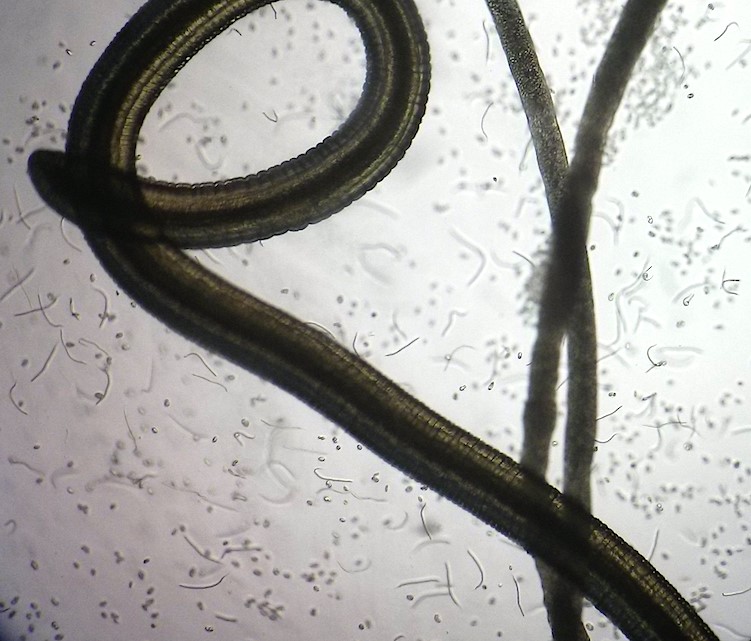
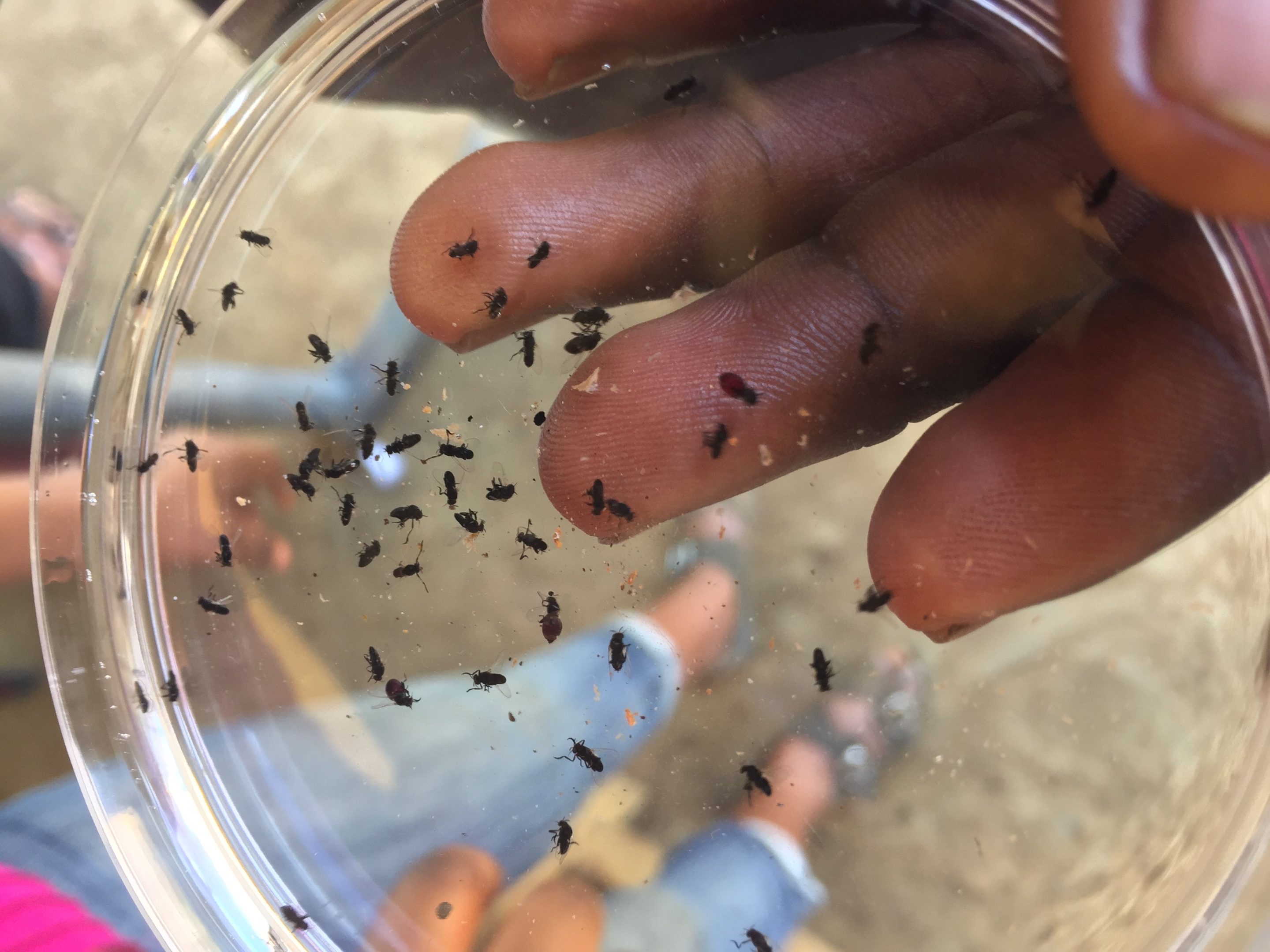
Onchocerciasis (also known as river blindness) is a neglected tropical disease caused by the parasitic worm Onchocerca volvulus. It affects millions of people, predominantly in Africa, and is the second leading infectious cause of blindness worldwide, after trachoma. The disease is transmitted through the bites of infected blackflies (Simulium species), which breed near fast-flowing rivers and streams. The flies transmit Onchocerca volvulus larvae into the body, where they develop into adult worms that can survive for many years in nodules under the skin. The adult worms produce large numbers of microscopic larvae, known as microfilariae, which migrate through the skin and eyes. The inflammatory response they trigger, particularly as the microfilariae die, can cause severe itching, skin disease, visual impairment and, in advanced cases, irreversible blindness.
Despite progress towards elimination, significant challenges remain. Current programmes rely heavily on repeated treatment with ivermectin, an anti-parasitic drug that reduces the microfilariae responsible for disease and transmission but does not reliably kill adult worms. Doxycycline can target Wolbachia bacteria that live inside the adult worms, but treatment requires 4 to 6 weeks, creating practical challenges for widespread delivery.
A further challenge occurs in areas where onchocerciasis and Loa loa are co-endemic. In people with high levels of Loa loa parasites, ivermectin can cause potentially fatal adverse reactions, limiting its use in some communities. Evidence on the use of doxycycline in people with higher Loa loa burdens is also limited.
There is therefore an urgent need for shorter, safer and more practical treatment options that can kill adult worms and could potentially be used in areas where onchocerciasis and Loa loa are co-endemic. Such treatments could help overcome important barriers to elimination and accelerate progress towards ending transmission.
About the project
FAME is a European Union funded clinical research project in Cameroon investigating whether fusidic acid, an existing antibiotic, could be repurposed as a short course treatment for onchoceriasis. Supporting funding from UK aid of the ENDPOINT research programme brings this clinical research with studies of treatment acceptability, health-system readiness and the policy environment. Together, these studies will help determine not only whether a new treatment works, but whether it could be acceptable, practical and feasible to deliver in communities affected by onchocerciasis.
FAME-ENDPOINT is led by LSTM in partnership with the University of Buea (Cameroon), sponsor and trial lead, Universitätsklinikum Bonn (Germany) and Drugs for Neglected Diseases (DNDi, Switzerland).
Our approach
The clinical trial will test different short-course regimens of fusidic acid, alone and in combination with albendazole (an anti-parasitic drug), and compare them with doxycycline and no trial treatment in adults aged 18 to 60 years confirmed with Onchocerca volvulus infection. The study will assess safety and whether treatment reduces Wolbachia and the production of microfilariae by adult worms.
Alongside the trial, qualitative research with communities, participants, health workers and policymakers will explore treatment experiences and acceptability, health-system capacity, potential delivery pathways and the evidence needed to support future policy and implementation. Market access research will also identify potential regulatory routes helping to derisk future investment and guide the design on onward clinical trials to produce evidence required. This integrated approach connects clinical efficacy with the realities of community and health-system delivery.
Our impact
The study aims to generate evidence on whether fusidic acid could provide a safe, effective and shorter treatment regimen that targets adult worms, potentially reducing the duration and burden of treatment required to support elimination. By combining clinical evidence with community, health-system and policy perspectives, FAME-ENDPOINT will identify what is needed for a promising treatment to move from research into real-world use. If successful, the findings could inform larger clinical trials, future treatment guidance and strategies to accelerate equitable and sustainable elimination of river blindness.
Our partners
FAME is a European Union and UK aid-funded research programme coordinated by LSTM working with partners in Cameroon, Germany and Switzerland.
- University of Buea (Cameroon)
- Universitätsklinikum Bonn (Germany)
- Drugs for Neglected Diseases (DNDi)
A collaborative, cross-disciplinary consortium bringing together clinical and laboratory parasitologists together with clinical trials Logos of partners and funders specialists, pharmacologists, computational biologists, machine learning AI expertise, social scientists and global health market access advisors to maximise the potential impact and derisk future investment.
Our team at LSTM
- Joseph Turner
- Rachael Thomson
- Mark Taylor
- Steve Ward
- Kerry Millington
- Taghreed El Hajj
- Laura Dean
- Rosalind McCollum
- Carrie Barrett
- Becky Jones-Phillips
- Ezekiel Boro
- Martina Savio
- Angela Clark
- Joy Gilroy
- Jemma Lunn
- Charlotte Rawcliffe
- Ravi Lad
- Tansey Edwards
- Jessica Dagley
- Shree Hegde
- Andrew Steven
- Parul Sharma
- Geraldine Buitrago
- David Waterhouse