Why the WHO has declared an Ebola emergency: LSTM experts on the Bundibugyo outbreak
- News
18 May 2026
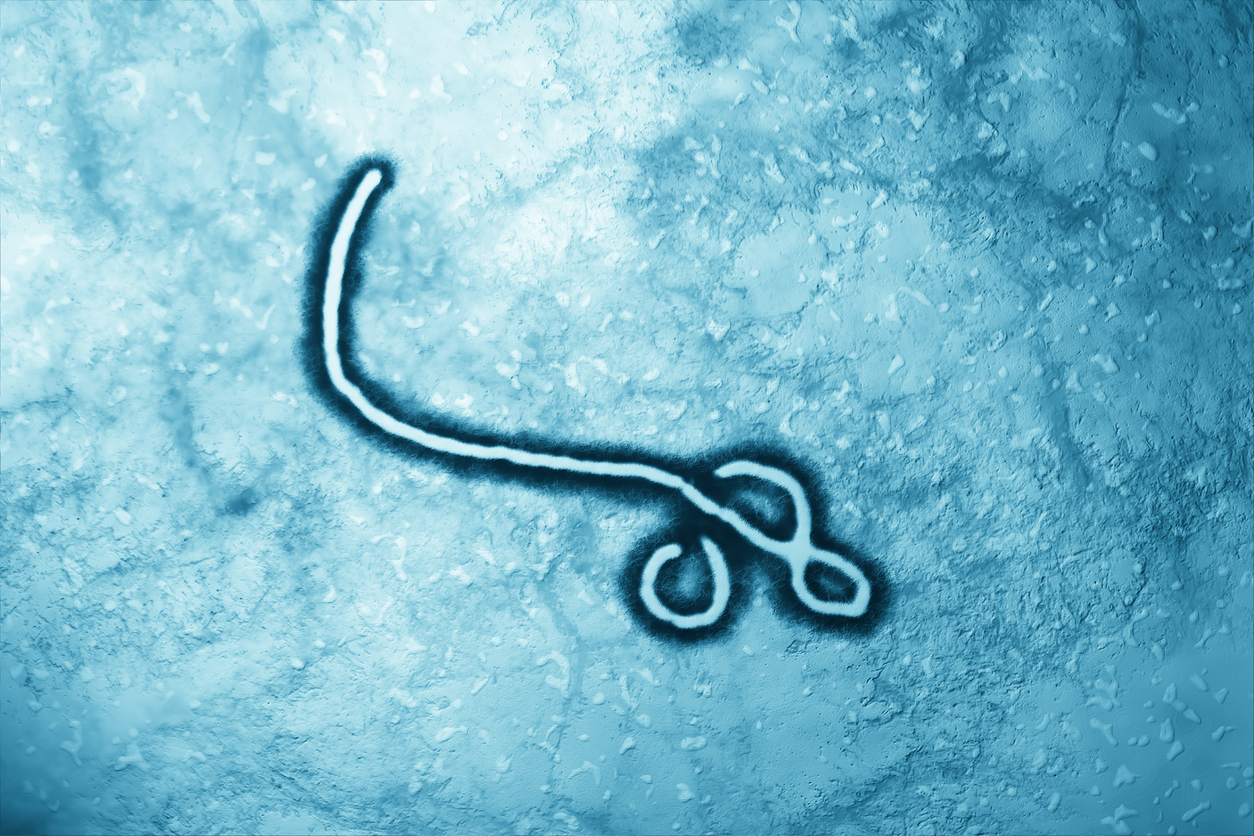
Health experts from Liverpool School of Tropical Medicine have highlighted the importance of international coordination, research and outbreak preparedness following the World Health Organization’s declaration of a public health emergency of international concern (PHEIC) relating to the ongoing outbreak of Bundibugyo virus disease (BVD) in Uganda and the Democratic Republic of the Congo.
Researchers and clinicians from LSTM, including Professor Tom Fletcher and Dr Shevin Jacob, have supported responses to multiple Ebola outbreaks in recent years, working alongside the World Health Organization and international partners. LSTM teams will continue to support colleagues and response efforts in the weeks ahead.
Speaking about the WHO declaration and the wider response to the outbreak, Dr Jacob said: “Ebola disease outbreaks remain a major global health challenge because the virus can spread rapidly and cause severe illness in vulnerable communities. On 17 May 2026, the World Health Organization declared the outbreak of Bundibugyo virus disease (BVD) ongoing in Uganda and the Democratic Republic of the Congo a public health emergency of international concern (PHEIC). The declaration is intended to strengthen international coordination and support outbreak control efforts, rather than to indicate an immediate risk to the global public; as such, no travel or trade restrictions have been put in place.”
Professor Fletcher said the outbreak underlined the need for continued investment in research, surveillance and outbreak preparedness for Ebola strains where approved vaccines and treatments do not yet exist.
“BVD is one of several types of Ebola disease caused by related viruses. While major progress has been made in vaccines and treatments for another type, Ebola virus disease (EVD), there are currently no licensed vaccines or proven treatments specifically for BVD. This outbreak highlights the importance of continued investment in research, not only in vaccines, but also in diagnostics, surveillance, clinical care, and outbreak preparedness.”
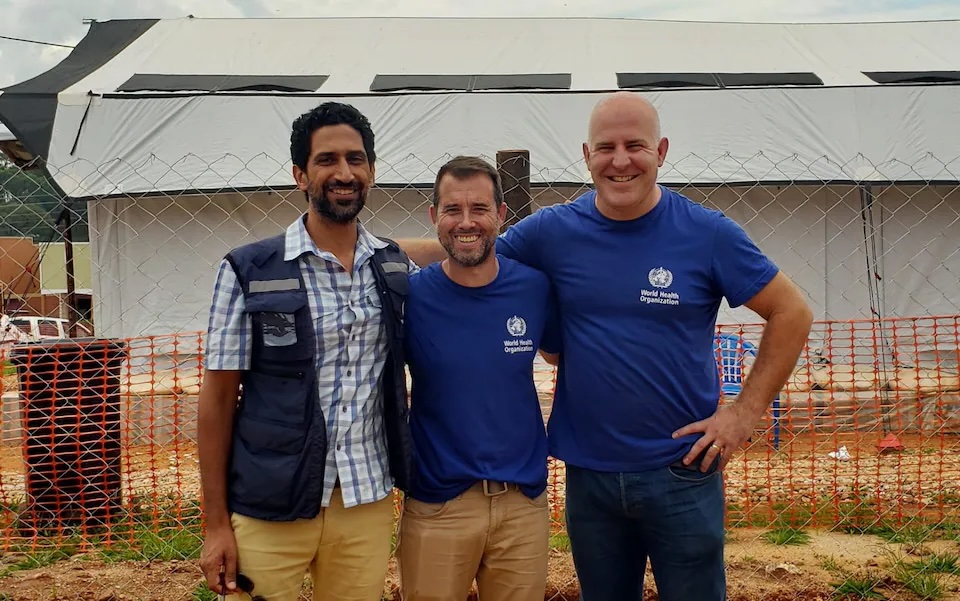 Prof Tom Fletcher (far right) with colleagues, Dr Shevin Jacob and Prof WIlliam Fisher in Uganda during the 2022 Ebola outbreak
Ebola factsheet
What is causing this outbreak?
Ebola is a rare but severe disease caused by a virus. Several species of Ebola virus are known to cause outbreaks in humans. The current outbreak involves the Bundibugyo strain.
How does Ebola spread?
Ebola spreads through direct contact with infected bodily fluids, including blood and vomit.
How deadly is it?
Previous outbreaks involving the Bundibugyo strain have had a fatality rate of around 30%.
What is the incubation period?
Symptoms can appear between two and 21 days after infection.
What are the symptoms?
Early symptoms appear suddenly and are often flu-like, including fever, headache and fatigue. As the disease progresses, vomiting and diarrhoea may develop, and organs can begin to fail. Some patients may also experience internal and external bleeding.
Where does Ebola come from?
Outbreaks usually begin when the virus passes from infected animals to humans. Fruit bats are considered one of the likely natural hosts.
Is there a vaccine?
Vaccines are available for the Zaire strain of Ebola virus, but there is currently no licensed vaccine for the Bundibugyo strain.
Related courses

Professional Diploma in Tropical Medicine and Hygiene (On-campus)
Develop tropical medicine skills through intensive clinical, laboratory and case-based learning on campus in Liverpool.
View course