Setting research priorities for resilient health systems in Kenya, Malawi and Zimbabwe
- Video
28 September 2026
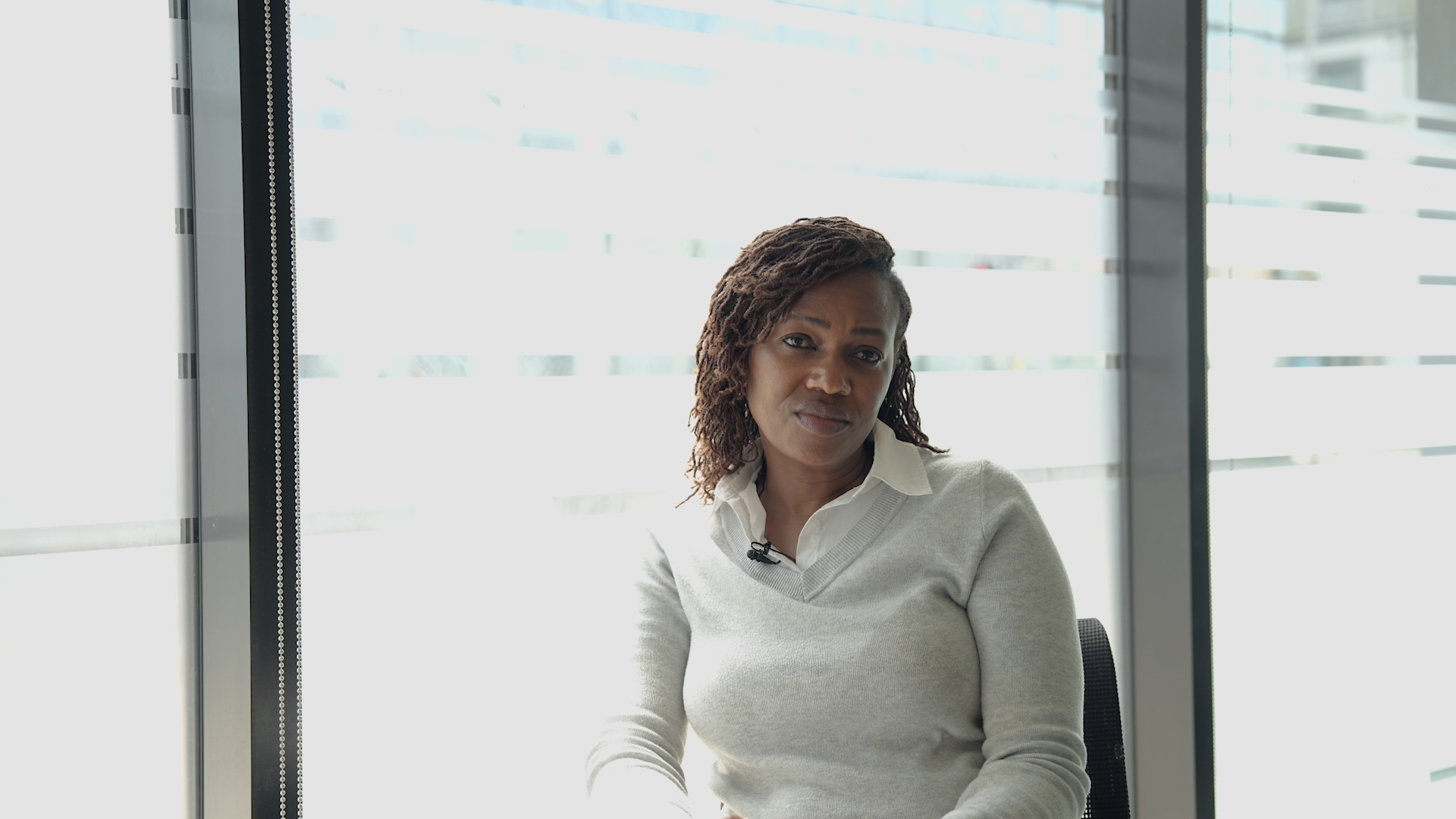
How can health systems research respond to the priorities of the people and communities who understand those systems best?
Researchers from the Institute for Resilient Health Systems are working with health system stakeholders in Kenya, Malawi and Zimbabwe to identify the research questions that matter most in each country.
The priority setting study brings together policymakers, health workers, researchers, communities and other health system actors to understand where evidence gaps exist and which challenges need to be addressed first.
Developing locally led research priorities
Health systems are complex and constantly changing. New challenges can emerge while existing ones remain unresolved, often within the same limited resources.
By involving people who work within and use health systems from the outset, the study aims to develop research priorities that reflect local needs and experience. It also creates opportunities for researchers, policymakers, practitioners and communities to develop solutions together.
This approach can help ensure that research is relevant, that findings can be translated into practice and that resulting interventions are locally owned and more likely to last.
Learning across Kenya, Malawi and Zimbabwe
Working across three countries allows researchers to explore priorities in different health system contexts and identify lessons that can be shared.
The work forms part of a wider approach to health system resilience that goes beyond research alone. It includes strengthening capacity across health systems, supporting frontline workers and communities to take an active role in research, and improving how evidence is translated into policy and practice.
Watch the video to learn more about the priority setting study and how researchers are working with partners in Kenya, Malawi and Zimbabwe to support stronger, more resilient health systems.
IRIS Health System Priority Setting Study
===
[00:00:00] So when the institute was set up, we felt that it was important for us as we focus in the three countries where the institute is doing its current work, Kenya, Malawi, and Zimbabwe. We felt that it was important to first understand what are the priority research questions when it comes to health system resilience in these countries.
And so we set up a study in all the three countries that is really engaging with all actors within the health systems in those countries to understand what are their priority needs, where do they have evidence gaps that they would like answered, and to work with them to see how we can implement those research questions, uh, uh, within the institute.
And so that is the IRIS priority setting study in Kenya, Malawi, and Zimbabwe. So it’s very important, um, to think about research priorities developed by the countries and the communities themselves because then you [00:01:00] have a stronger chance of this research being not only meaningful, but coming up with interventions that stick and that address those needs, because then you have been in- you have included these, uh, policymakers or governments, and you’ve included those communities from the get-go, uh, in coming up with the questions and in prioritizing what needs to be addressed first.
And so if you engage them along the way, then the solutions come from them and also come from research, and therefore together you are creating those solutions. And re- and we have seen that those solutions tend to last because they are locally owned. what we know is that health systems are very complex, so there’s often a new problem even before you fix another one, and the resources don’t change.
So there has to be a mechanism of thinking about within the resource envelope that you have, what [00:02:00] needs to be addressed first, and that cannot be done externally. It needs to be inter- done it- with the stakeholders who are working and are embedded within that system because every day they see how it changes, they see what needs to be put on top of the priority list today and what can be moved below the list for tomorrow, and so forth.
And therefore, that’s why it’s important to really talk with the actors within the system and really think about coming up with priorities that they have experienced every day when they are out there working. Um, I mean, we could have come into IRIS and said, you know, we can work within one country, uh, but I think being able to work across three countries strengthens the messages that we are coming out with.
One of the biggest focus within IRIS is, like I said, helping countries not just respond, but prepare better, so it’s really thinking about the unknown. And when it comes to the unknown, everybody’s hesitant. But when you [00:03:00] have different contexts and, uh, diff-different think tanks, then that helps strengthen what you’re trying to say.
Um, the other important bit about the program of work within IRIS is the focus is not just on research. It has a very strong capacity-strengthening element, and we are thinking about capacity strengthening across the system, not just academic training. We are thinking about how we can improve, um, experiential knowledge by some of the frontline workers.
We are thinking about how we can improve how we interface with communities so that they are not just recipients of research, but you know, they are actively taking part in research and leading that research. And then IRIS also has a third element, which is around knowledge translation, because we are always collecting all this evidence, so how do we start seeing how it makes sense and how it can be used across a large, um, portfolio of actors within the system?
So we are thinking about learning platforms [00:04:00] within the knowledge translation bit and thinking where is one repository where different actors can all come together and learn from each other in terms of how they can support the system to function better. Yeah.