Rabies: What travellers need to know about risks, prevention and vaccination
- Blog
27 October 2025
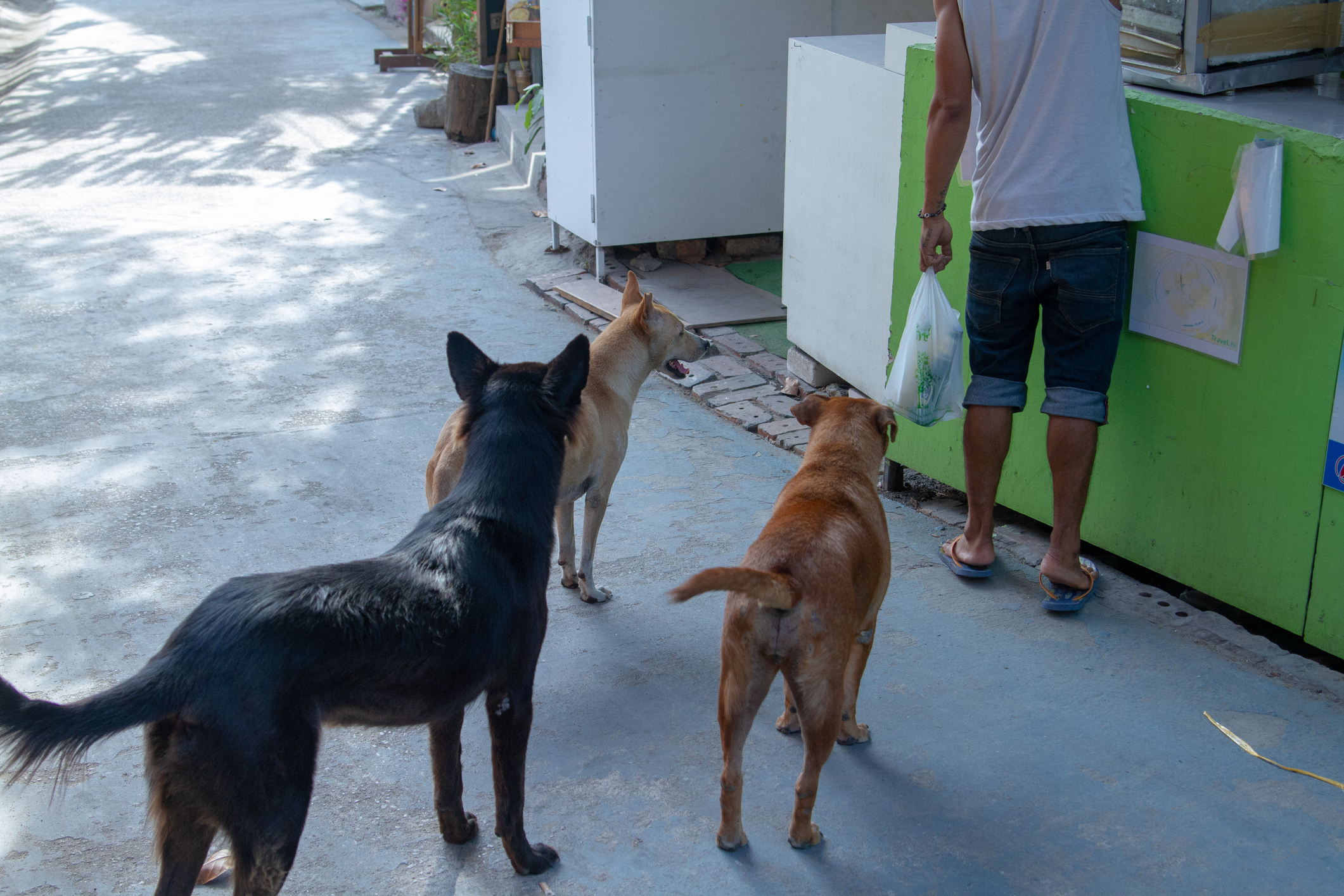
What is rabies and where is the risk?
Rabies is a virus infection spread through the saliva of infected mammals. All mammals can carry rabies, but its most common in dogs, cats, monkeys, bats, raccoons, jackals and mongooses. It causes inflammation of the brain and is nearly always fatal without appropriate treatment before symptoms develop.
Rabies is present on all continents except Antarctica. 95% of all reported human rabies deaths occur in Africa and Asia.
How travellers can reduce their risk
Travellers are advised:
- NOT to approach or pick up wild or domestic animals
- NOT to attract stray animals by offering food or being careless with food litter
- Be aware that certain activities might attract dogs (e.g., running, cycling)
- NOT to attempt to pick up an unusually tame animal or one that appears unwell.
Who should have the rabies vaccine?
For travel purposes, Vaccination is recommended for:
- Travel to countries where rabies is a risk especially in remote areas, where urgent access to medical facilities or treatment is unlikely to be available, especially those staying for a month or more
- Children who will reside in rabies affected countries. Although the vaccine can be given at any age, the risk of animal bites may be higher once a child is able to crawl/walk independently. Children are often bitten around the face or head, which is considered a higher risk due to the expected shorter incubation period. Young children may also not tell you if they have been scratched or licked by a mammal
What to do if you are bitten, scratched or licked abroad
If you are bitten, scratched, or licked over broken skin or around the face by a mammal while abroad, act immediately:
- Wash the wound straight away for 15 minutes using running water and detergent, then apply antiseptic.
If saliva has reached your eyes, nose or mouth, wash the area thoroughly with clean water as soon as possible. - Gather as much information about the animal as you can.
- Seek urgent medical attention while still abroad. You will always need a rabies risk assessment and may need treatment, even if you have previously been vaccinated against rabies.
- Seek medical advice again immediately on your return, even if the exposure was weeks earlier, to make sure any necessary treatment has been completed.
Two points are worth emphasising, because they are commonly misunderstood:
- Even if you have completed a pre-travel (pre-exposure) course of rabies vaccine, you will still need post-exposure vaccines after a bite, scratch or lick.
- If you have not had a pre-exposure course, or you are immunocompromised, you may need rabies immunoglobulin as well as a full course of post-exposure vaccines given over several weeks.
Want to know whether Rabies vaccination would be recommended for your trip? Book an appointment at Well Travelled Clinics by telephoning: 0151 705 3223 or make a request at: https://www.welltravelledclinics.co.uk/request-an-appointment
Related articles

How to avoid insect bites when travelling
27 August 2025
Always getting bitten by mosquitoes?
27 March 2025