Online or in-person DTMH? Your questions answered
- Blog
14 May 2026
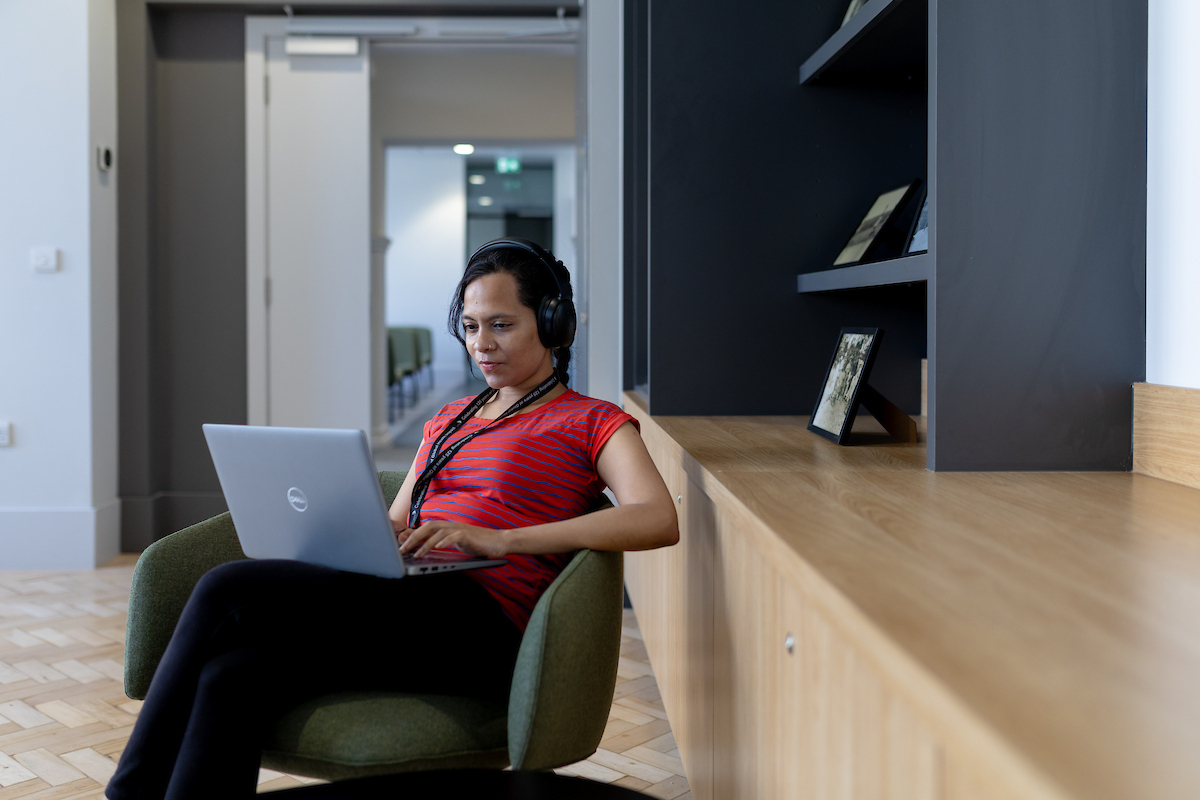
Liverpool School of Tropical Medicine (LSTM) has been training clinicians in tropical medicine for more than 120 years. Our Diploma in Tropical Medicine was first introduced in 1904 and became the Diploma in Tropical Medicine and Hygiene (DTMH) in 1946.
Today, you can study LSTM’s Professional Diploma in Tropical Medicine and Hygiene in two ways: through an intensive, full-time programme at our Liverpool campus, or through a flexible online programme designed to fit around clinical and other professional commitments.
Both routes lead to LSTM’s Professional Diploma in Tropical Medicine and Hygiene. The main difference is how and where you study.
Online DTMH or on-campus DTMH: what’s the difference?
| Feature | Face-to-Face DTMH | Online DTMH |
|---|---|---|
| Study mode | Full-time | Flexible, part-time |
| Delivery mode | In-person, on-campus learning | Fully online, accessible globally |
| Duration | September to December | 9 months (January–October) |
| Schedule | Full-time timetable with scheduled sessions | Part-time, flexible, self-paced learning, 10–12 hours/week |
| Live sessions | In-person teaching and practical sessions | Optional live expert-led sessions with recordings available |
| Practical / lab skills | Comprehensive hands-on laboratory training, including microscopy and slide preparation | Virtual demonstrations and case-based learning |
| Personal contact | Frequent face-to-face contact with faculty and peers | Continuous contact between students, with ongoing access to course facilitators and expert leads |
| Travel to Liverpool | Required | Not required |
You can find current start dates, fees and application information on the individual course pages for the on-campus DTMH and online DTMH.
Frequently asked questions about the online DTMH
Can I study the online DTMH while working full time?
The online DTMH has been designed to fit around professional and clinical commitments.
You should expect to spend around 10–12 hours each week studying, but the course is fully asynchronous. Lectures and core learning materials are available online for you to work through at times that suit you.
There are also optional live sessions where you can meet other students, ask questions and hear from subject experts. No essential new course content is delivered only during these sessions, so you will not miss part of the curriculum if you cannot attend live.
Who is the online DTMH designed for?
The programme is designed for healthcare professionals with relevant clinical experience, including doctors, advanced nurse practitioners and pharmacists.
It has a strong clinical focus, with particular emphasis on clinical reasoning, diagnosis and managing patients in resource-challenging settings.
You should check the course page for the latest entry requirements before applying.
What will I study on the DTMH?
The DTMH covers a broad range of topics in tropical medicine and global health.
These include clinical parasitology; malaria, HIV and tuberculosis; non-malarial fevers, including viral haemorrhagic fevers; maternal and child health; neglected tropical diseases; non-communicable diseases; public health and outbreak response; and mental health.
Throughout the programme, you will apply this knowledge to clinical cases and problems you may encounter in practice.
How does practical and laboratory learning work online?
The online DTMH uses virtual laboratory resources, digital microscopy, clinical cases and problem-solving activities to develop practical diagnostic and interpretation skills.
You will work with microscopy and sample-analysis material and explore how laboratory findings contribute to clinical decision-making.
If hands-on laboratory training is particularly important to you, you may prefer the on-campus DTMH, which includes practical laboratory teaching in Liverpool.
Online DTMH graduates who want additional hands-on experience can also choose to attend our separate parasitology practical short course, with an alumni discount available.
What kind of learning activities are included?
Alongside recorded lectures and teaching materials, the online programme includes clinical case discussions, multiple-choice questions, problem-solving activities and virtual laboratory work.
Students are also encouraged to reflect on how their learning applies to their own professional practice.
Do I have to be online at set times?
No. The online DTMH is designed so that the core programme can be completed asynchronously.
Optional live sessions provide opportunities for networking, discussion and expert Q&A, but essential course content is available through the online learning environment.
This means you can study from different time zones and fit your learning around work and other commitments.
How is the DTMH assessed?
Students complete a final online examination covering the main themes of the programme.
The assessment includes areas such as clinical diagnosis, public health and the interpretation of laboratory and microscopy material.
The examination fee is included within the course fee, and students who do not pass at the first attempt have opportunities to retake the examination.
LSTM has its own degree-awarding powers, so students who successfully complete the programme receive LSTM’s Professional Diploma in Tropical Medicine and Hygiene.
Do I need to take a separate Apothecaries DTMH examination?
No.
The examination for LSTM’s Diploma in Tropical Medicine and Hygiene is included as part of the programme. There is no additional requirement to complete the Worshipful Society of Apothecaries qualification.
When should I apply for the online DTMH?
We recommend applying early enough to allow time for qualification and credential checks, offer processing and any arrangements you need to make before starting the course.
For the latest application dates and current intake information, check the online DTMH course page.
Can I pay the course fee in instalments?
Payment plans are available for the online DTMH, allowing eligible students to spread the cost rather than paying the full fee at once.
Check the course page or contact our admissions team for current fees and payment options.