New study finds Malaria chemoprevention for school-aged children could deliver billions in health and economic benefits
- News
21 July 2026
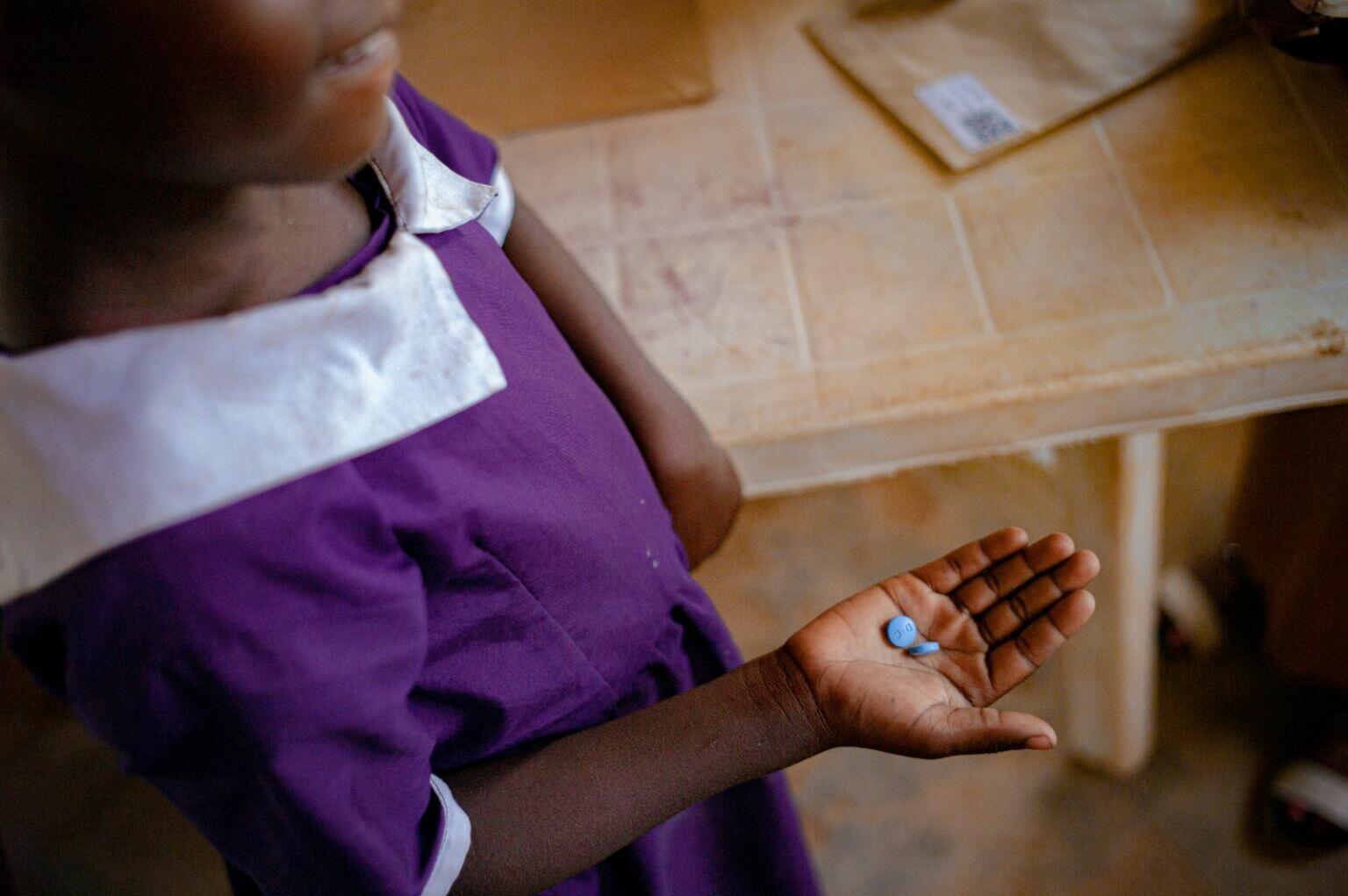
Providing malaria chemoprevention to school-aged children in some of Africa’s highest-burden countries could generate billions of dollars in societal benefits while improving both health and education outcomes, according to a new study led by researchers at LSTM.
Published in the Journal of Benefit-Cost Analysis, the study is the first to assess the combined health, education and economic returns of malaria chemoprevention for school-aged children across ten high-burden countries in sub-Saharan Africa.
School-aged children (5–15 years old) represent a large, historically overlooked malaria risk group, as many initiatives focus on the highest risk groups for mortality and serious health complications such as children under 5 and pregnant women.
However researchers argue that there is an urgent need to prioritise interventions that maximise both health and broader societal benefits, estimating that an annual investment of US$423 million in malaria chemoprevention programmes across these countries could generate US$5.7 billion in societal net benefits. This figure is equivalent to a benefit-cost ratio of 14.3, meaning every US$1 invested would return more than US$14 in benefits to society.
Modelling projections suggest the intervention could avert more than 9.1 million malaria cases and over 20,000 deaths each year, while also reducing school absenteeism and improving learning outcomes. Researchers estimated that the programme could result in an additional 46.3 million days of school attendance across the countries studied.
One of the study’s most striking findings was the importance of measuring educational outcomes beyond attendance. When researchers valued improvements in learning using Learning-Adjusted Years of Schooling (LAYS), a measure that captures both the quantity and quality of education, estimated returns increased dramatically compared with analyses based solely on school attendance. In some scenarios, benefit-cost ratios were up to 100 times higher.
The findings highlight the often-overlooked role malaria plays in limiting children’s educational achievements. School-aged children can experience repeated infections that contribute to absenteeism, impaired cognitive function and reduced learning, with long-term consequences for human capital development and future earnings.
The authors argue that taking a cross-sectoral approach provides a more complete picture of the value of malaria control investments, and that malaria chemoprevention for school-aged children represents a high-value investment that can simultaneously improve health, support learning and strengthen future economic productivity in high-burden regions.
Katherine Snyman, lead author said: “Protecting school-aged children from malaria is first and foremost about improving children’s health and wellbeing. But decisions about investing in new programmes also require evidence that speaks to both health and finance ministries. By taking a broader societal perspective, our study shows that malaria chemoprevention for school-aged children has the potential to improve health and education while also generating substantial economic returns.”
Related courses

MRes Tropical Health and Infectious Disease Research (September)
This MRes focuses on applied research in tropical health and infectious diseases.
View course