Building health systems that can withstand crisis
- Video
15 May 2026
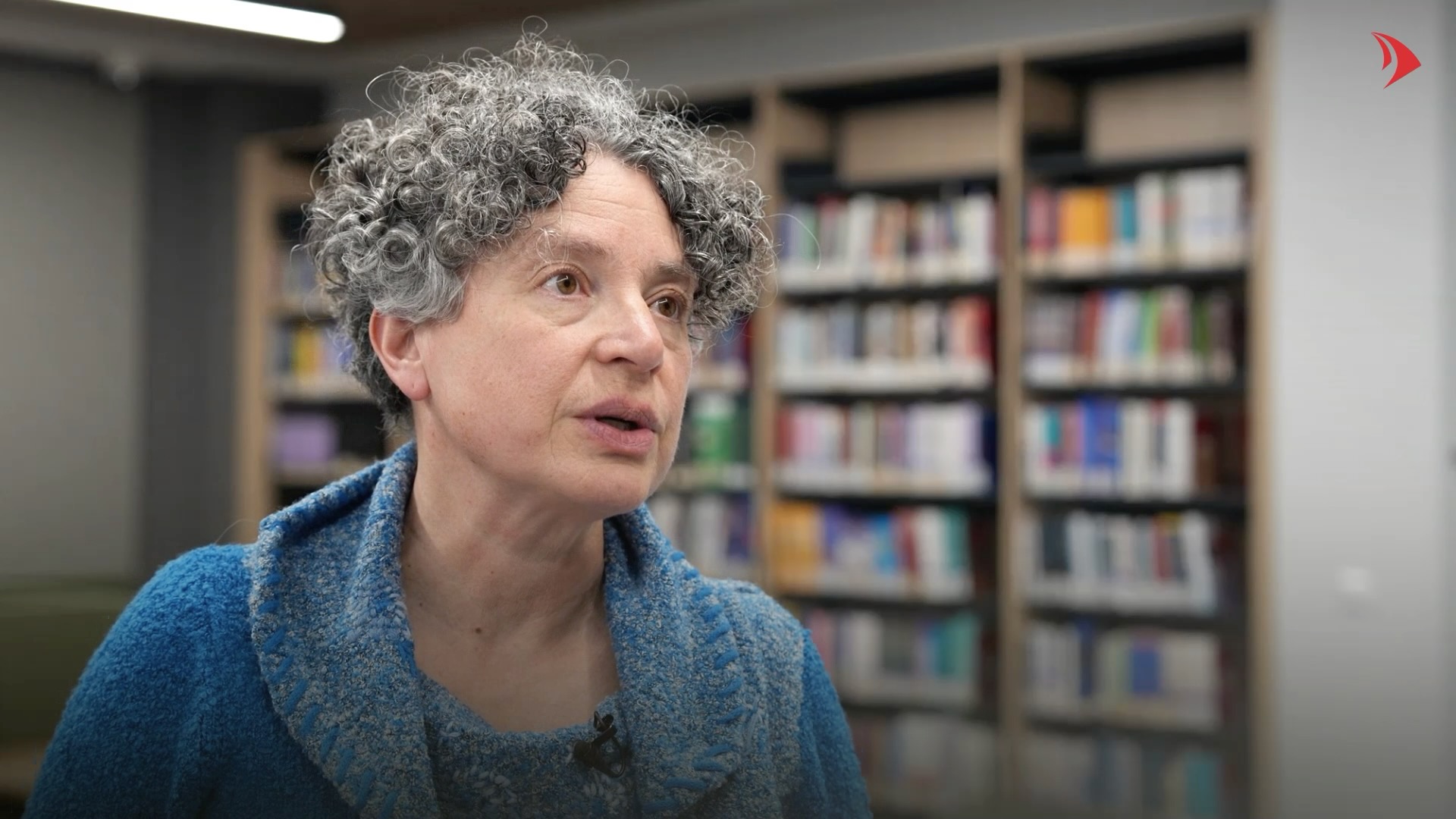
What happens to healthcare when conflict, climate shocks or disease outbreaks hit?
At Liverpool School of Tropical Medicine, researchers within the Institute for Resilient Health Systems are working to answer that question. Their work focuses on helping health systems continue delivering care during crises, while strengthening communities and services for the long term.
In this video, Professor Joanna Raven and Professor Miriam Taegtmeyer explore what makes a health system resilient and why that matters more than ever in a world facing increasing pressure from pandemics, conflict, climate change and economic instability.
The film highlights major international programmes including Rebuild for Resilience and Thrive, which are helping researchers and communities better understand how health systems respond to shocks in some of the world’s most fragile settings, including Nepal, Myanmar, Lebanon, Yemen and Malawi.
From funding and infrastructure to public health and community trust, resilient health systems are about far more than hospitals alone. They are about ensuring people can still access essential healthcare when it matters most.

So the Institute for Resilient Health Systems is a network of multidisciplinary researchers who are really working on health policy and systems research and with a particular focus on health systems resilience.
A resilient health system can provide a good quality of service regardless of the circumstance, equitably to people so that everybody has the opportunity for health and it can carry on just delivering its sort of minimum critical functions even in the middle of a shock or a crisis.
So unfortunately shocks and stresses are on the increase.
So shocks in terms of violence and conflict and protracted conflict, pandemics, infections, earthquakes. All of these are happening all over the world, and that’s in the context of chronic stresses like [00:01:00] poverty, rising costs of food and fuel of antimicrobial resistance of political unrest.
It’s the community, it’s the physical infrastructure, It’s the supplies, it’s the funding. How do you get the funding right in a crisis for, to make sure services are being delivered. it’s prevention, you know, it’s public health aspects, so it’s all building blocks of the health system, but within that community and within the bigger picture of, you know, how the government is running that system.
There is a couple of projects that we are, working on at the moment. The first one is Rebuild for Resilience, which is a six year program. Funded by FCDO and it really focuses on the capacities of the health system to be able to respond [00:02:00] when shocks happen. And this is happening in, really fragile settings of places like Nepal, Myanmar, Lebanon, Yemen, Tea Gray, Sierra Leone and other places as well. So this is a six years program. It’s coming to an end at the moment. And we’ve developed a vast body of knowledge about resilience, capacities of the health system.
We’ve got lots of other programs, but another one is called Thrive, which is looking at, the impacts of climate crisis, so sort of climate events on the health and wellbeing of marginalized populations within Malawi and that’s really focusing on fishing and farming communities in Malawi.