LSTM scientists explore repurposed drug for faster TB treatment
- News
9 July 2026
Researchers at Liverpool School of Tropical Medicine (LSTM) are investigating a promising new approach to tuberculosis (TB) treatment which boosts the effectiveness of antibiotics and may help the immune system clear the infection.
The 12-month project, supported through the MRC Impact Accelerator Account, will investigate an oral formulation of cysteamine developed by leading biotechnology company NovaBiotics, as a potential adjunct therapy for curing TB.
TB remains one of the world’s deadliest infectious diseases, causing more than a million deaths each year and becoming increasingly difficult to treat due to rising antimicrobial resistance. Current treatment regimens are long and complex, often requiring patients to take multiple antibiotics for six months.
Researchers from LSTM are now exploring new approaches that could shorten treatment times and improve outcomes. One strategy is to develop compounds that make existing antibiotics more effective. Another is to develop host directed therapeutics, treatments that help the immune system control and eliminate infection. Cysteamine has already shown the potential to do both with respiratory pathogens including non-tuberculosis mycobacteria, but this has not been explored for TB until now.
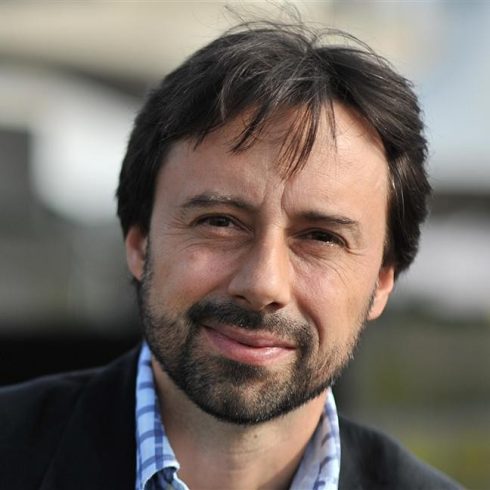
Dr Daire Cantillon, Lecturer in Infection Biology & Therapeutics at LSTM and Principal Investigator on the project, said: “TB treatment has not fundamentally changed in decades, and the rise of drug resistance is making it increasingly difficult to manage.
“Cysteamine is particularly exciting because it appears to work in two complementary ways, enhancing the activity of existing antibiotics while also helping the immune system clear infection more effectively. This approach offers a novel way to improve TB treatment and potentially make existing therapies work faster and more effectively.”
Early data generated at LSTM suggests cysteamine can enhance the activity of rifampicin, a cornerstone TB antibiotic.
The LSTM team, working in partnership with NovaBiotics, will now test the compound in advanced infection models that replicate how TB bacteria survive within human immune cells.
Dr Deborah A O’Neil, CEO of NovaBiotics said: “We’re excited to be working with LSTM to explore further applications of cysteamine. It has already demonstrated clinical potential in treating inflammatory and infectious lung diseases such as cystic fibrosis and pneumonia. This new collaboration allows us to explore its application in tuberculosis and address the urgent need for more effective TB treatment options.
“We hope to accelerate the development of a treatment approach that can enhance existing antibiotics and help to address the growing challenge antimicrobial resistance.”
If successful, the project will generate critical proof-of-concept data to support further investment and future clinical development of cysteamine for TB, contributing to wider global efforts to develop shorter, safer and more effective treatments for both drug-sensitive and drug-resistant forms of the disease.