LSTM News
Explore by type options
Select by theme options

Why resilient health systems matter as El Niño risk rises

News

2 June 2026

As El Niño risk rises, resilient health systems matter more than ever

The world’s weather is becoming more volatile, and the health systems serving the most vulnerable communities are on the front line.

At Liverpool School of Tropical Medicine’s Institute for Resilient Health Systems (IRHS), researchers are working with partners around the world to understand how health systems can continue delivering care through climate shocks, conflict and crisis.

On 2 June 2026, the World Meteorological Organization (WMO) issued a stark warning: there is an 80% probability that El Niño conditions will develop between June and August, rising to around 90% through November. Most forecast models suggest the event will be at least moderate, and possibly strong. El Niño raises global temperatures and intensifies extremes, from heatwaves and drought to heavy rainfall and flooding, and its effects cross borders.

The WMO is clear that El Niño is a natural phenomenon rather than a result of climate change. However, warmer oceans and a warmer atmosphere resulting from climate change can intensify its effects. The last El Niño helped make 2024 the hottest year on record and for communities least equipped to cope, each new shock lands on top of the last.

The IRHS brings together a global network of multidisciplinary researchers working in health policy and systems research, with a particular focus on resilience. Working alongside policymakers, practitioners and communities, the Institute helps health systems anticipate, absorb and adapt to uncertainty, ensuring evidence informs decision-making at every level.

This is precisely the challenge IRHS researchers are working to address – not only how to predict the next shock, but how to ensure health systems continue delivering care through it.

What makes a health system resilient?

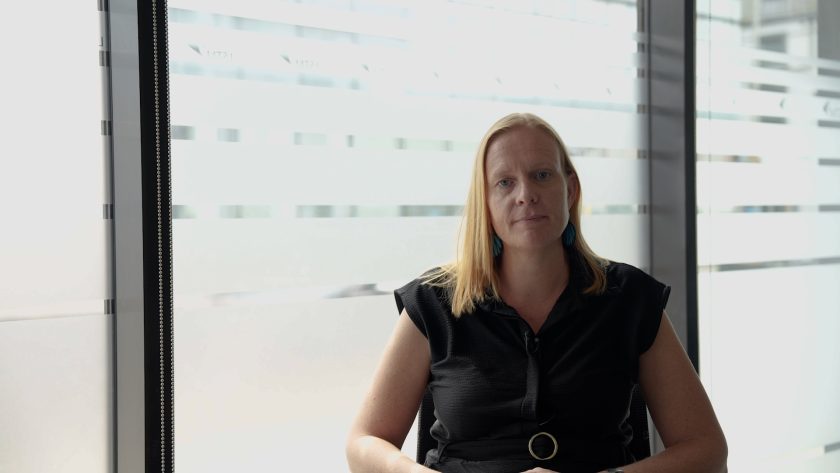
“A resilient health system can provide a good quality of service regardless of the circumstance, equitably, so that everybody has the opportunity for health,” explains Professor Miriam Taegtmeyer, Co-Director of LSTM’s Institute for Resilient Health Systems. “It can carry on delivering its minimum critical functions even in the middle of a shock or a crisis.”

Shocks rarely arrive in isolation, making the delivery of these critical functions more difficult. Violence, protracted conflict, pandemics, earthquakes and extreme weather often affect communities already facing poverty, rising food and fuel costs, antimicrobial resistance and political instability.

Resilience therefore cannot depend on a single intervention. It runs through every part of a health system, from communities and infrastructure to medical supplies, healthcare workers, prevention programmes and the funding needed to keep services running when a crisis strikes.

Building the evidence in the world’s most challenging settings

Three major IRHS programmes, ReBUILD for resistance, THRIVE and REACT demonstrate what this looks like in practice.

ReBUILD for Resilience

ReBUILD for Resilience is a six-year, £7.68 million research programme funded by the FCDO and led by LSTM with the Institute for Global Health and Development at Queen Margaret University.

“It really focuses on the capacities of the health system to be able to respond when shocks happen,” says Professor Joanna Raven, IRHS programme leader and co-director.

The programme works across some of the world’s most fragile settings, with core activity in Lebanon, Myanmar, Nepal and Sierra Leone, alongside wider engagement in countries including Yemen and Ethiopia.

As the programme reaches its conclusion, it has generated a substantial body of evidence on the capacities that help health systems withstand crisis. Researchers are now translating those findings into policy briefs and publications for governments, humanitarian organisations and decision-makers.

THRIVE

THRIVE focuses directly on the growing impact of climate change. Led by LSTM with the Malawi-Liverpool-Wellcome Research Programme, it examines how increasingly frequent and severe extreme weather events affect the health and wellbeing of vulnerable rural farming and fishing communities in southern Malawi.

Working alongside community co-researchers, the Government of Malawi and Save the Children, the programme is co-designing and testing adaptation and resilience strategies in two districts.

The findings will help inform Malawi’s first National Health Adaptation Plan and support local decision-making through district-level adaptation planning.

REACT

REACT (Resilient and Equitable Health Workforce to Address Climate Threats) is a four-year research initiative working to build resilience to climate shocks and strengthen the responsiveness of the health workforce against health impacts of climate crisis in Nepal and Zimbabwe.

The four-year research initiative, funded by UK’s National Institute for Health and Care Research (NIHR), is a collaboration between LSTM, HERD International in Nepal and the Centre for Sexual Health, HIV, and AIDS Research (CeSHHAR) in Zimbabwe.

REACT aims to ensure that health workers have the knowledge, skills and support to respond to the climate crisis, and improve the preparedness and capacity of health systems to respond to the impacts of climate change.

Why this matters now

The WMO frames its forecast as an opportunity. Advanced warning gives governments, humanitarian agencies and health systems time to prepare, but early warnings can only save lives if the systems receiving that warning are able to act.

LSTM’s IRHS is helping to close the gap for communities already facing significant socio-economic and climate related challenges. A forecast offers little protection if a health facility floods, runs out of essential supplies or loses the resources needed to respond when a crisis arrives.

As climate volatility increases and shocks become more frequent and severe, understanding how health systems prepare for, respond to and recover from crises becomes increasingly important. The next El Niño will test health systems across the world, the research being carried out by IRHS and its partners is helping ensure more of them are ready.