LSTM contributes to research that advances understanding of the multiple inter-related causes of childhood stunting
- News
15 May 2026
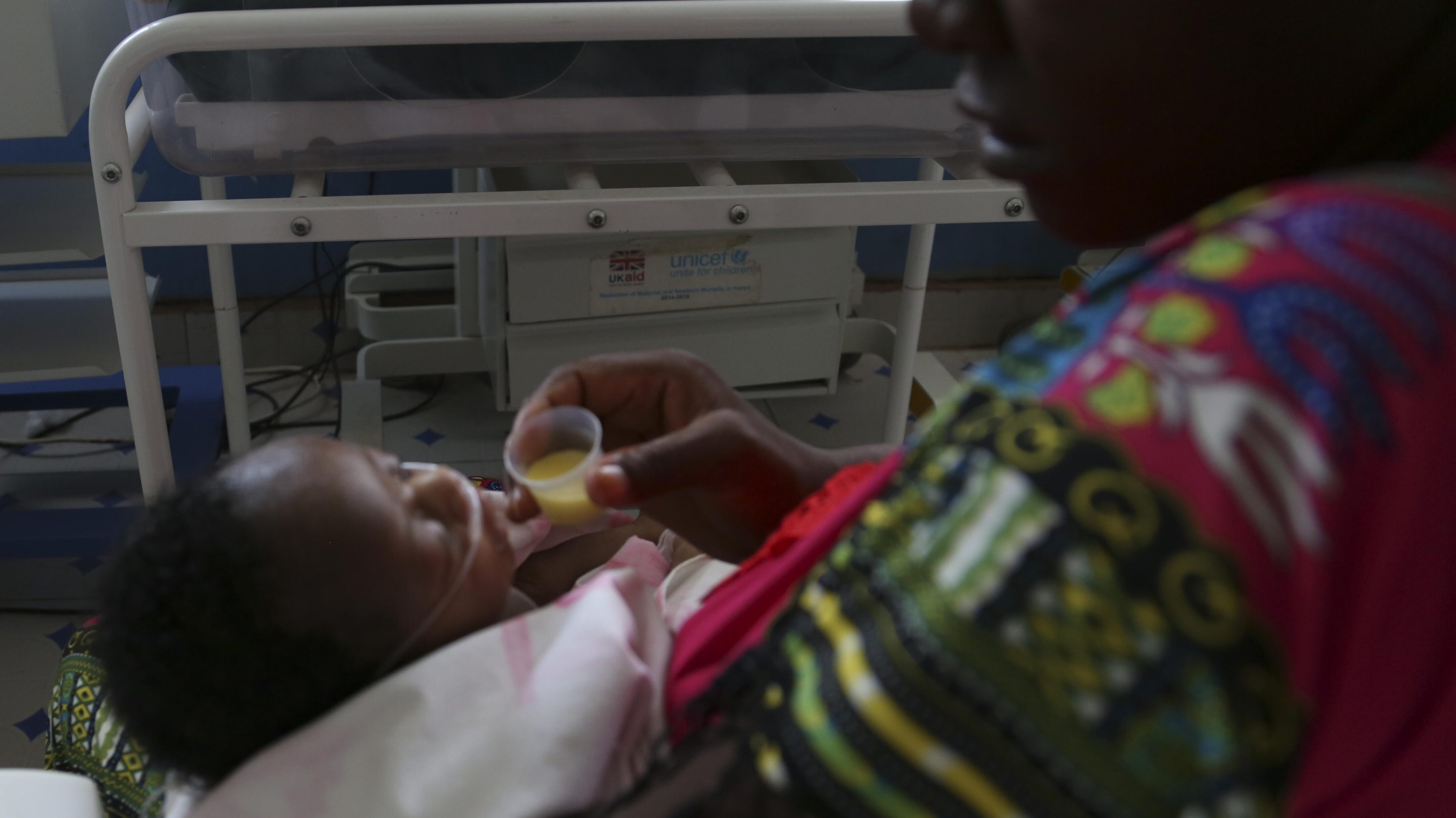
Professor Stephen J. Allen and Dr Benjamin Momo Kadia of Liverpool School of Tropical Medicine were guest editors and contributed research on childhood stunting to a theme issue published by the Philosophical Transactions of the Royal Society B.
Biological, Biomedical and Environmental Drivers of Stunting, co-edited alongside Professor Joanne P Webster, Royal Veterinary College, University of London and Tim Jesudason, Partners in Global Health, brings together international evidence on the complex biological, biomedical and environmental factors that contribute to childhood stunting.
The collection includes empirical studies, systematic reviews and perspective articles from researchers across multiple disciplines. Together, these studies help support more integrated approaches to tackling childhood stunting by highlighting how infections, gut health, nutrition, food systems and environmental conditions interact to shape child growth and development.
The World Health Organization standards describe childhood stunting as when a child is too short for their age. Stunting affects approximately 150.2 million children worldwide (as of 2025) with a profound impact on health, and is associated with impaired development, increased susceptibility to infection and increased risk of common non-communicable diseases throughout life.
Global targets to reduce stunting remain unmet with progress stalled in many regions, despite previous research and intervention programmes, which may be partly due to the poor understanding of how many complex factors interact to cause stunting.
Professor Stephen Allen, Professor of Paediatrics at Liverpool School of Tropical Medicine and editor and contributing author, said: “The scant progress towards reaching international nutrition targets, coupled with the disappointing outcomes of single, ‘magic bullet’ interventions for the prevention of stunting, set the scene for this special edition. The wide scope of research presented here highlights the complex, inter-related pathways to stunting and will encourage new thinking on how to address this intractable problem that blights the prospects of so many of the world’s vulnerable children.”
Professor Allen and Dr Kadia (Honorary Clinical Research Associate, LSTM) contributed to research from the Indonesian UKRI GCRF Action Against Stunting Hub birth cohort, exploring how environmental enteric dysfunction influences linear growth through systemic inflammation and suppression of insulin-like growth factor-1, and that explored the diet–microbiome–growth axis among under-two-year-olds.
The research in this Special Issue also explored other issues including:
- The concordance of wasting and stunting summarized by the Wasting and Stunting Technical Interest Group (WaSt TIG)
- The relationship between diet and micronutrient supplements, gut microbiota (including duodenal microbes and also gut parasites), growth and childhood development
- Links between access to animal-source foods, environmental enteric dysfunction and nutritional outcomes including essential amino acid deficiency (with a focus on tryptophan) and microbial contamination in bovine milk value chains in Hyderabad, India.
- How directed acyclic graphs reveal pathways between maternal and child helminth infections and child growth
- The need for integrated, cross-sector approaches to tackling malnutrition.
The theme issue is available at: https://royalsocietypublishing.org/rstb/issue/381/1950