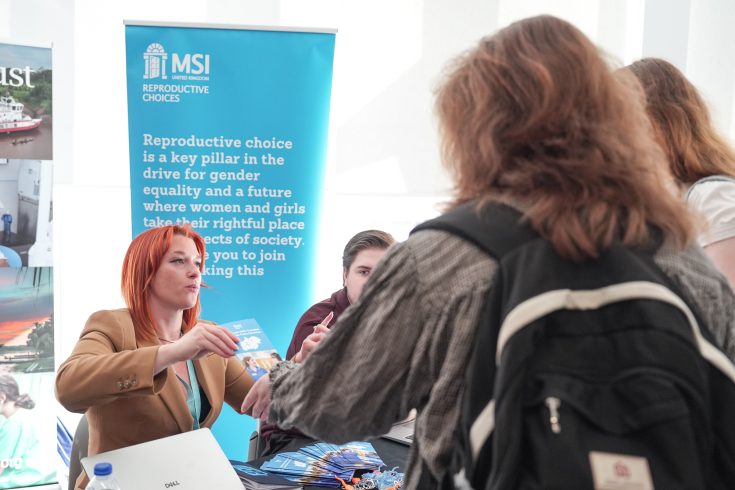
Pioneering life saving research championing education for all
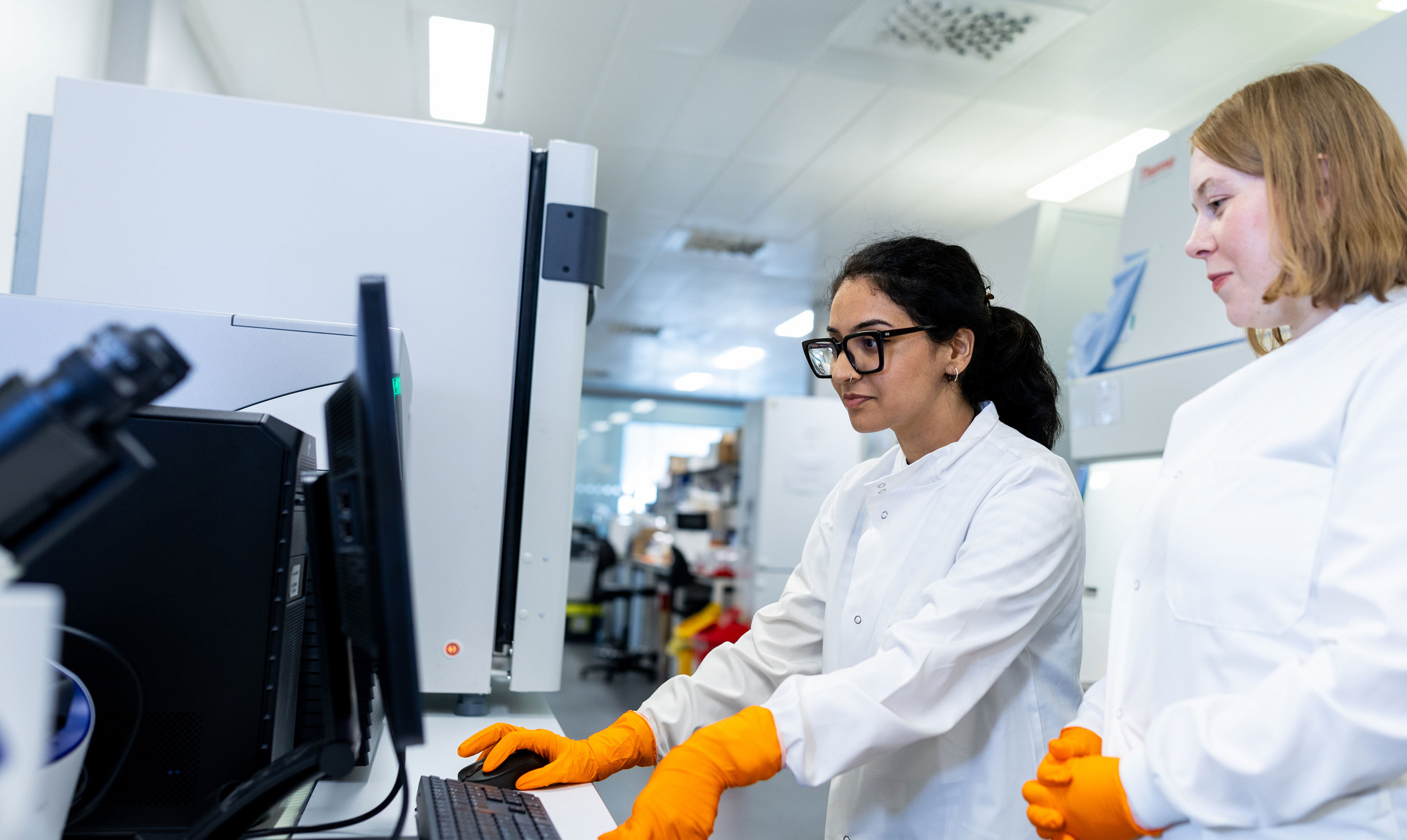
Shaping global health since 1898
When it was established in 1898, Liverpool School of Tropical Medicine was the first institution in the world dedicated to research and teaching in tropical medicine.
Since then, our mission has been to positively impact the health and wellbeing of the most disadvantaged populations across the globe; working in partnership to build capacity and deliver resilient health systems.
Discover more about LSTM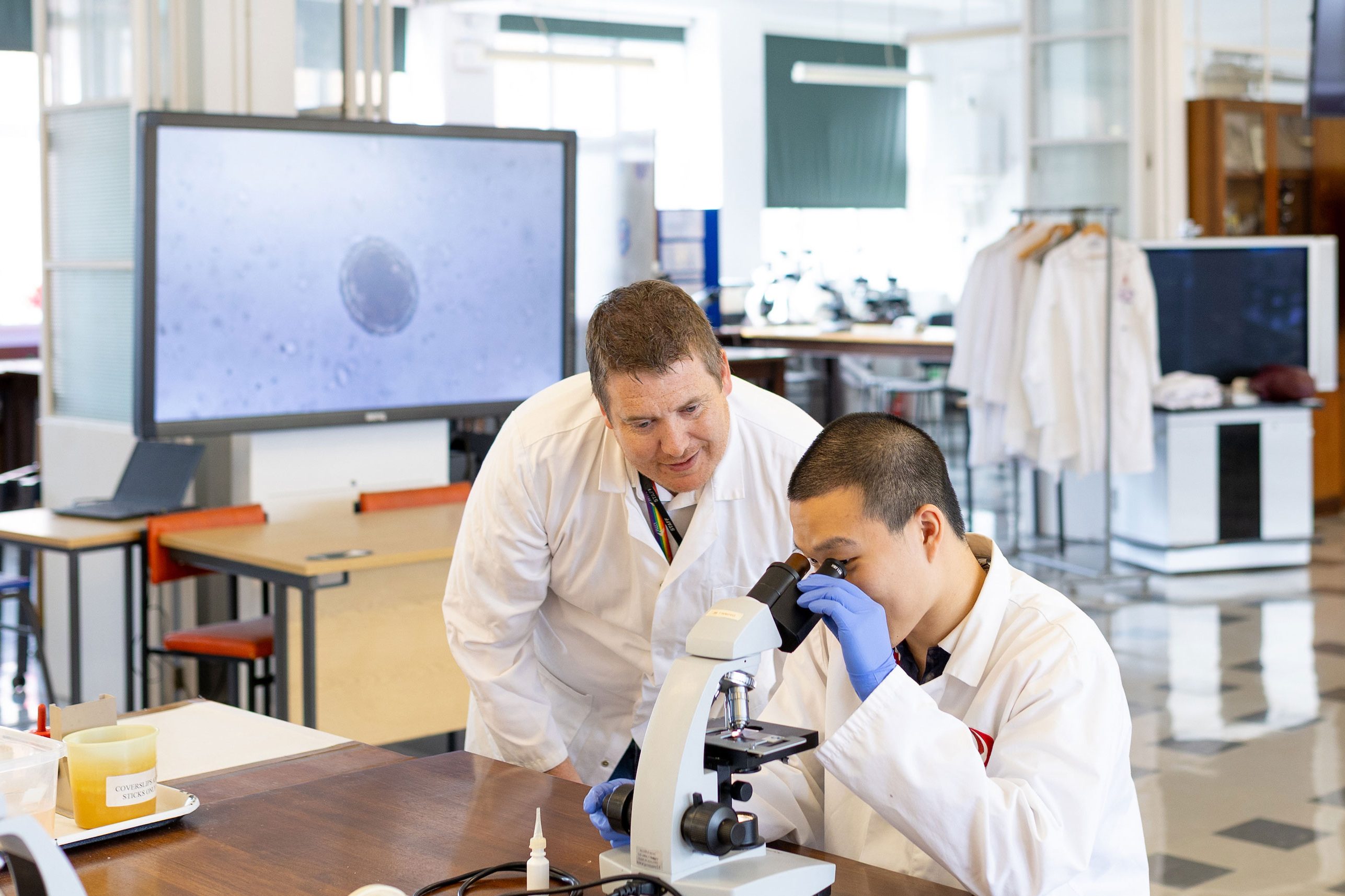
Our impact
Driving world-class research and education to improve health worldwide
Leading global health innovation
Discover our work through key themes
- Climate Health
- Community Health and Resilient Health Systems
- Emerging and Re-emerging Diseases
- Equity and Capacity Research
- Innovation to Impact: Therapeutics, Diagnostics, Vaccines
- Malaria and Neglected Tropical Diseases (NTDs)
- Maternal, Neonatal, Sexual and Reproductive Health
- Tuberculosis and Antimicrobial Resistance
- Vector Control and Resistance Management
Study with us
When you study with us, you will join an institution that has been at the forefront of innovation since its foundation in 1898.
News and events